Guide
Pranayama: Yogic Breathing
Pranayama just means working with the breath. Here's what the common techniques actually are, a few beginner-safe practices, and the signs that tell you to back off.

If you’ve ever been in a yoga class and heard the teacher say “lengthen your exhale” or “breathe in for four, out for six,” you’ve already done pranayama. The word sounds mysterious, but the practice is plain: it’s the art of working with your breath on purpose. No special gear, no flexibility required — just you and the air you’re already breathing.
This guide is the friendly version. What pranayama actually is, the techniques you’ll hear named most often, a few simple practices anyone can try, and — just as important — the things to leave alone until you know what you’re doing.
What pranayama actually is
Prana is an old Sanskrit word for life force or vital energy; ayama means to extend or control. Put together, pranayama is the practice of guiding the breath — slowing it down, evening it out, or pausing it deliberately — rather than just letting it run on autopilot.
Why bother? Because breath is one of the few body systems you can run either automatically or by hand. You don’t get to consciously slow your heart rate, but you can absolutely slow your breath, and when you do, the rest of the nervous system tends to follow. That’s the whole quiet appeal: a slow, steady exhale is one of the simplest ways to tell your body it’s safe to settle.
In a yoga setting, pranayama usually shows up in small doses — a few minutes at the start to arrive, or at the end to wind down. In a dedicated breathwork or meditation class, it might be the main event.
The common techniques, in plain words
Here are the names you’ll actually hear, translated out of the jargon.
Diaphragmatic (belly) breathing
The foundation. Instead of breathing high into the chest and shoulders, you let the breath drop low so the belly gently rises on the inhale and falls on the exhale. Most people breathe shallowly all day without noticing; this is just breathing the way you naturally do when you’re deeply relaxed.
Ujjayi (“ocean”) breath
A soft, audible breath made by very slightly narrowing the back of the throat, so the air makes a gentle ocean-like sound. It’s the steady soundtrack of many vinyasa classes. It keeps the breath slow and even, which keeps you slow and even.
Nadi shodhana (alternate-nostril breathing)
You use a thumb and finger to close one nostril at a time, breathing in through one side and out through the other in a calm, repeating pattern. It sounds fiddly and looks a little odd, but it’s gentle, grounding, and a favorite for settling a busy mind.
Extended exhale
Less a technique than a principle: make the out-breath longer than the in-breath — say, in for four counts, out for six. Lengthening the exhale is one of the most reliable ways to downshift, which is why it turns up in restorative and meditation classes constantly.
The stronger stuff
You may also hear about kapalabhati (rapid, pumping breaths) or bhastrika (“bellows breath”), and about kumbhaka (deliberate breath retention). These are more advanced, more stimulating, and more easily overdone. They’re worth knowing by name — and worth learning from a real teacher rather than a video.
Simple, safe practices to try
You don’t need a class to begin. Two gentle practices, both completely beginner-safe:
The two-minute slow breath. Sit comfortably, somewhere quiet. Close your eyes or soften your gaze. Breathe in slowly through your nose, then breathe out through your nose a little more slowly than you breathed in. Don’t strain — just ease the exhale longer. Do this for two minutes. That’s the entire practice, and it works.
Four-in, six-out. Same setup, with a light count: inhale for four, exhale for six. If six feels like too much, try four and five. Keep it smooth, not forced. A handful of rounds is plenty.
A few ground rules that make these safe and pleasant:
- Sit down. Practice seated or lying, never standing in a place you could fall.
- Breathe through the nose unless a teacher says otherwise — it naturally slows and filters the breath.
- Keep it gentle. Pranayama should feel like easing into a warm bath, not like effort. If you’re gasping or straining, you’ve gone too far.
- Stop if you feel off. Lightheaded, tingly, or anxious? Let the breath go back to normal and rest. Nothing is lost.
What to avoid
This is the part people skip, so read it twice.
Don’t hold your breath without guidance. Breath retention (kumbhaka) is a real technique, but long holds can spike anxiety or cause you to feel faint. Learn it in person, from someone watching you, before you try it alone.
Don’t do fast, forceful breathing if you’re new — or pregnant, or managing a heart, lung, or blood-pressure condition. Rapid techniques like kapalabhati can make you dizzy or worse. When in doubt, stick to slow breathing and check with your own doctor about what’s appropriate for you. This guide is informational, not medical advice.
Never practice breathwork in water or while driving. Some breathing techniques can cause lightheadedness, and a brief faint that’s harmless on a cushion is dangerous in a pool or behind the wheel. Land, seated, stationary — always.
Don’t chase intensity. More breath holds and faster pumping is not “more advanced practice.” If a practice leaves you rattled rather than settled, that’s a signal to dial it way back, not push through.
The simple rule covering all of the above: if it feels strained, scary, or disorienting, stop and breathe normally. Pranayama is meant to calm you, not test you.
Where to learn it in LA
Once you’ve played with the basics, learning in person is the natural next step — a teacher can watch your breath, correct the small things, and introduce the more advanced techniques safely.
In LA, breathwork most often lives inside meditation and restorative classes rather than in fast-moving flow. Browse the directory by style to find studios that center breath and stillness, or by neighborhood to find one close to home — the practice you’ll actually keep up is the one a short drive away.
Start small, stay gentle, and let the exhale lead. The breath has been with you the whole time; pranayama is just learning to listen to it.
Studios to explore
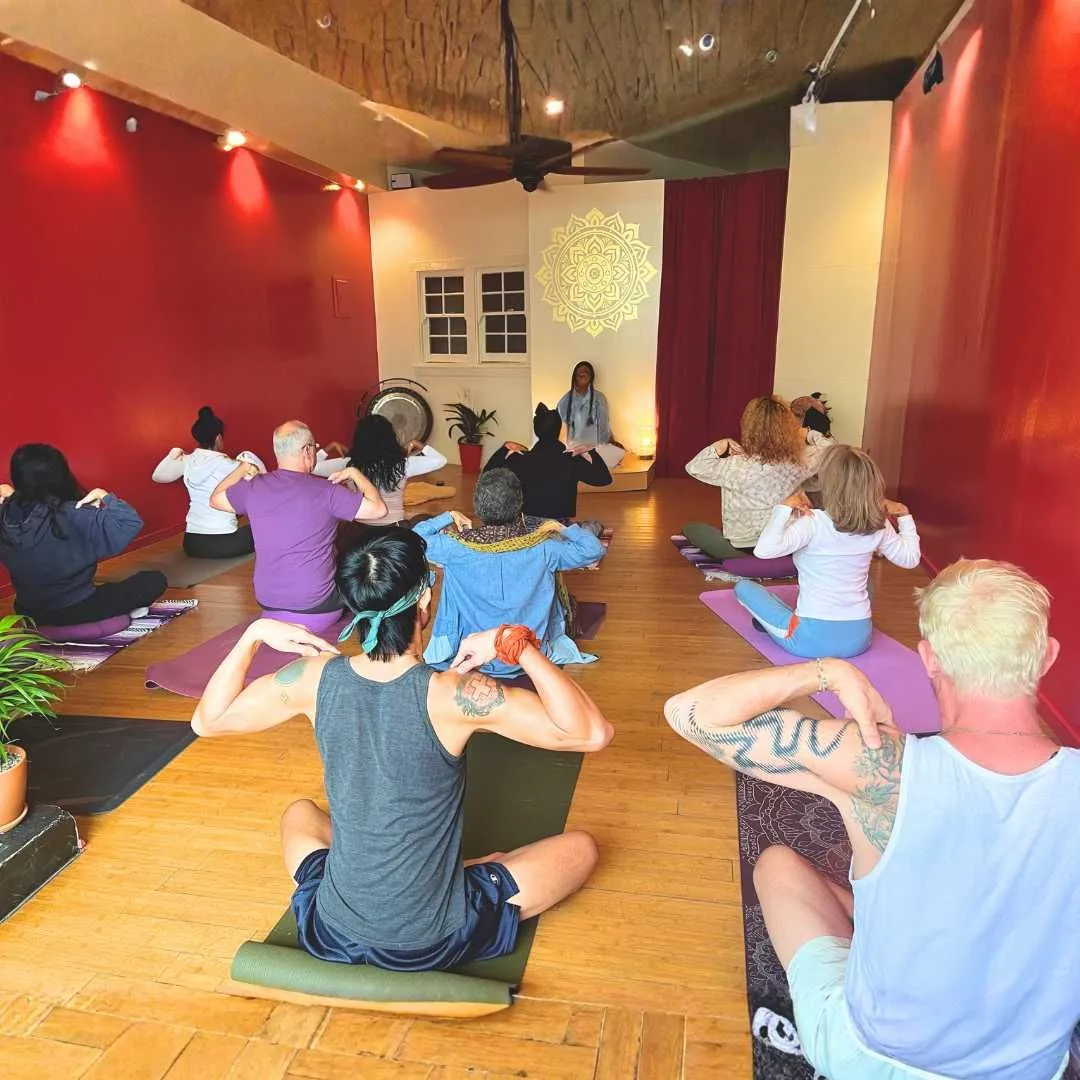 Kundalini
 Kundalini Silverlake
An intimate, affordable studio specializing in Kundalini practice, breathwork and chanting.
Open Venice
The in-person home of the Open app, blending movement, breathwork and meditation with a great sound system.
Boheme Yoga
A tidy DTLA studio with hot classes, live-music sessions and restorative practice in the Historic Core.
Power Yoga East
A light-filled second-floor loft focused on breath-led, steady practice rather than high-intensity flow.
 Meditation
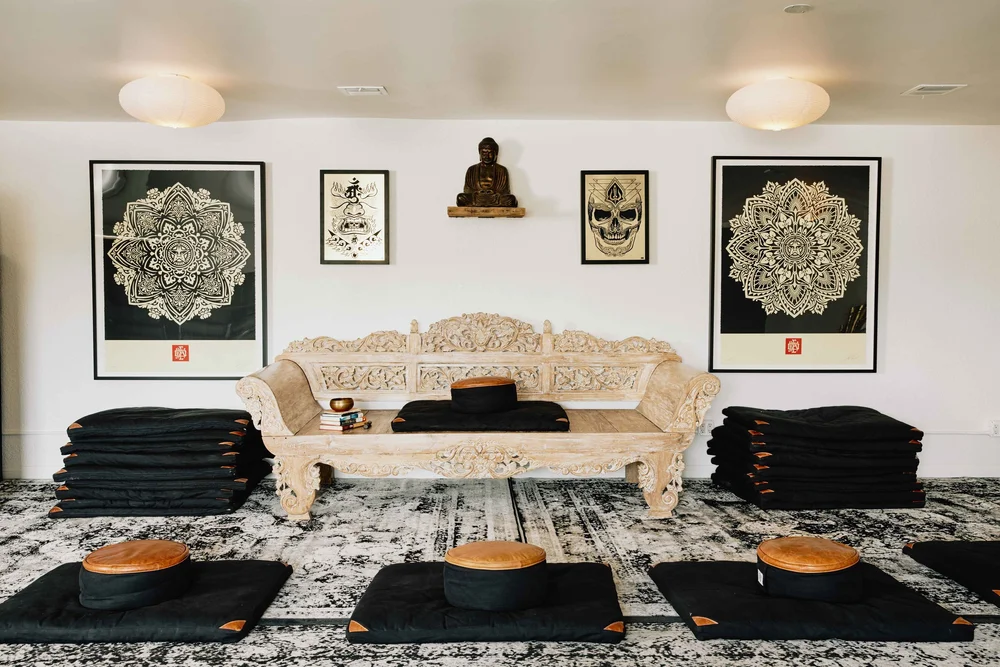
 Against The Stream Meditation Center
A Buddhist meditation centre on Lincoln Boulevard, founded by Noah Levine and running since 1988 — the Dharma Punx lineage, which is insight practice with the formality stripped out. The anchor is a Monday evening sit and dharma talk, offered in the room and on Zoom, donation-based and open to anyone. Refuge Recovery meetings, retreats and a long back catalogue of recorded talks sit alongside it. A meditation hall, not a yoga studio.
 Kundalini
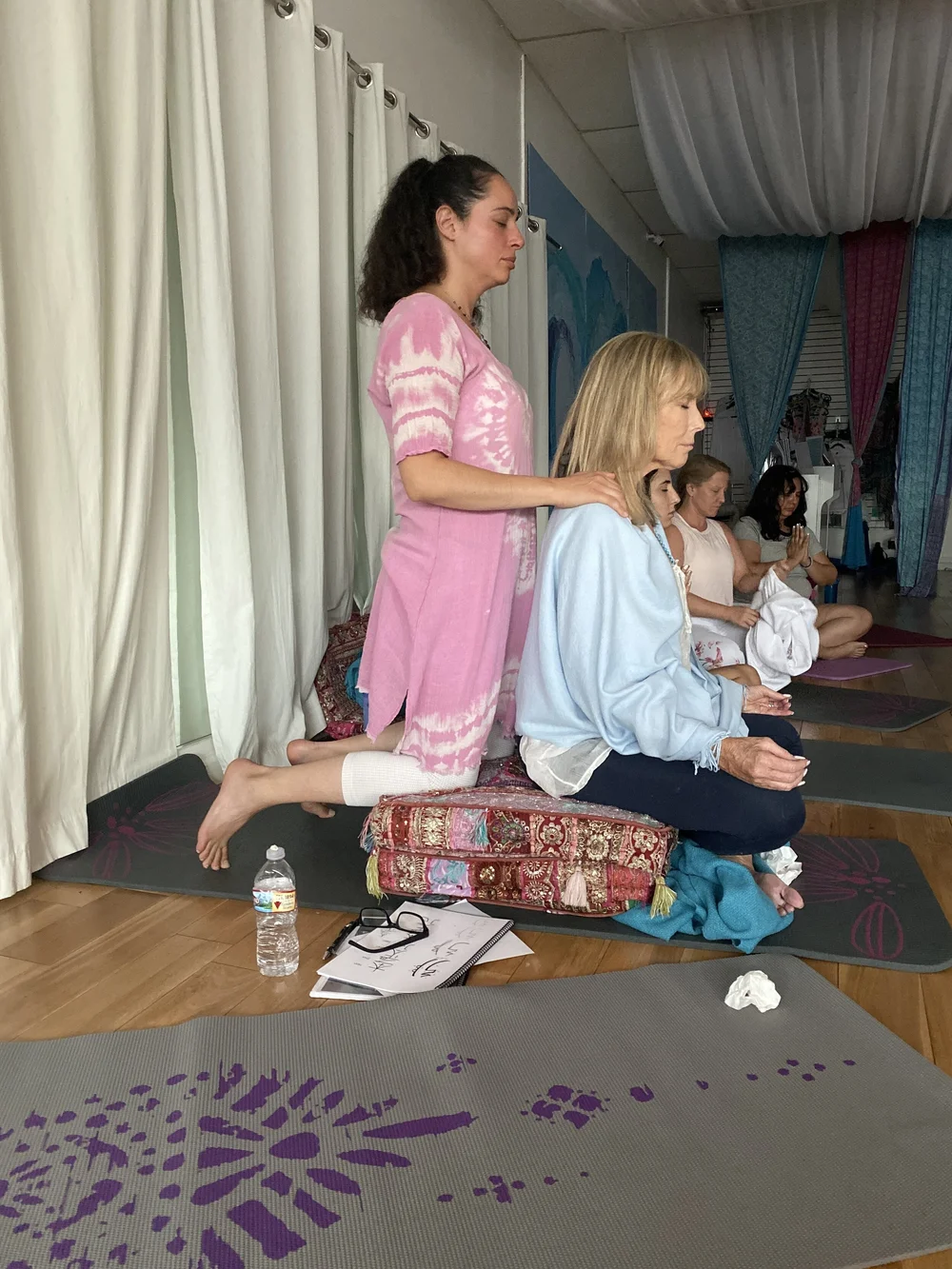
 Atma Yoga and Healing Arts
A small kundalini room a block from the beach on Bay Street, with a painted blue wave covering one wall. Kundalini yoga in the tradition's mix of movement, breath, meditation and chant, alongside gong sound sessions, private reiki healing and reiki certification training. The studio says classes run every day of the week, but it does not post class times online — its booking page covers the reiki trainings only, so call or message for the schedule before you plan a visit.
Frequently asked questions
Is pranayama the same as breathwork?
Mostly, yes. "Breathwork" is the broad modern term; pranayama is the specific yogic tradition of breath techniques. Some intense breathwork styles are very different from gentle pranayama, so check what a class actually involves before you go.
How long should I practice?
Start with two to five minutes of slow breathing. That's genuinely enough to feel a shift. You can build up over weeks — there's no prize for forcing it.
Can pranayama make me lightheaded?
It can, especially fast techniques or long breath holds. A little lightheadedness is your cue to stop, breathe normally, and rest. Always practice seated so you're safe if it happens.
Do I need a class, or can I learn on my own?
Slow nasal breathing is fine to try at home. For techniques involving retention or rapid breathing, learning from a teacher is much safer — many LA meditation and restorative classes include guided breathwork.