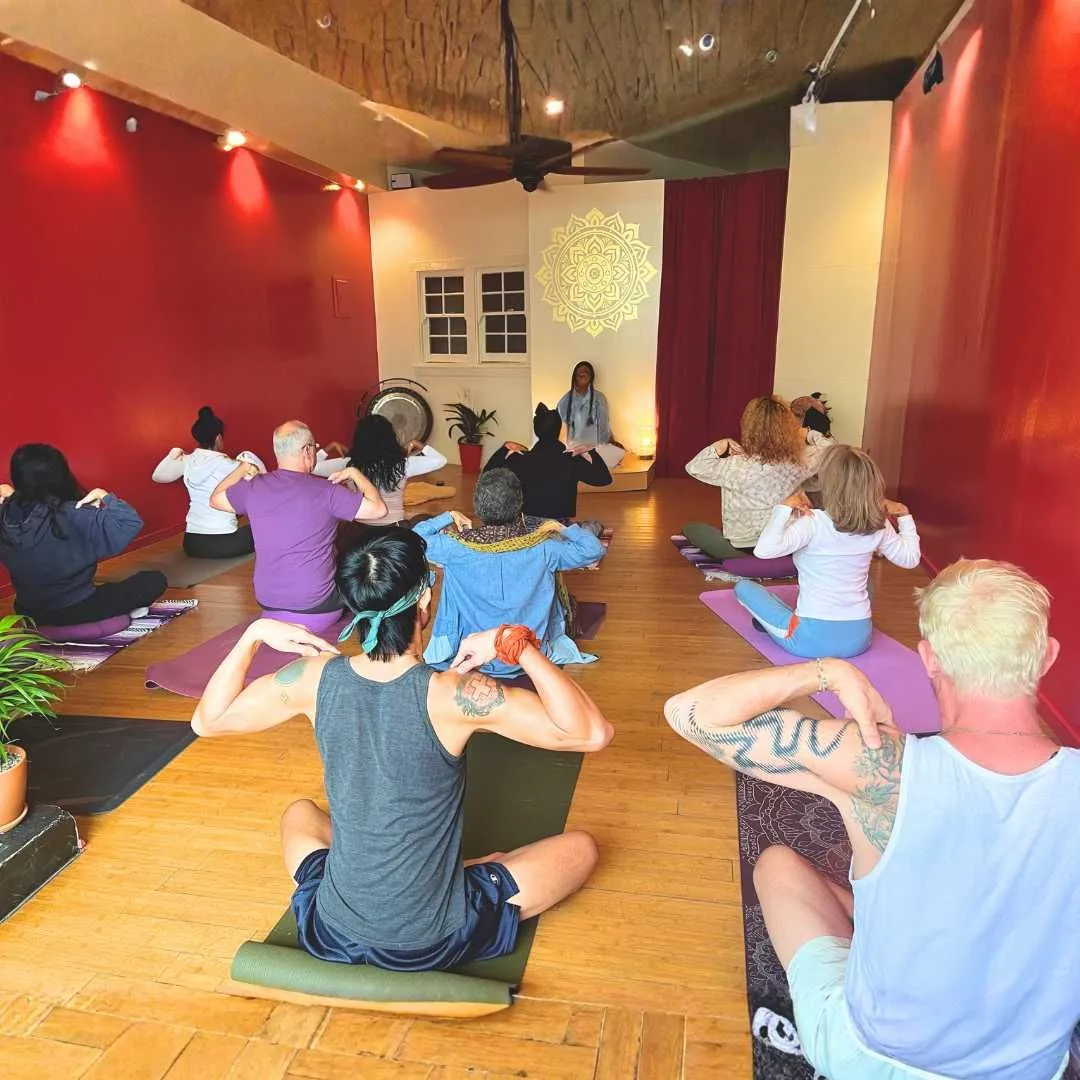
Kundalini is one of yoga’s most distinctive styles. Instead of flowing from pose
to pose, a class weaves together repetitive movement, deliberate breathing,
chanting, and meditation — a blend designed less to stretch the body than to
shift your energy and settle your mind. You’ll work through set sequences, breathe
in specific patterns, and often close with a long, deeply restful relaxation.
The feel is unlike most other classes in the city. There’s effort here — holding
a posture while breathing fast can be surprisingly intense — but it isn’t about
sweat or athleticism. It’s rhythmic, a little hypnotic, and often profoundly
calming. People frequently describe leaving a Kundalini class feeling clear,
light, and oddly recharged, as if something heavy got set down.
This style suits anyone drawn to the meditative side of yoga, and anyone who
wants real benefit without needing to be strong or bendy. Because the movements
are simple and repeated, it’s genuinely accessible across ages and fitness
levels. If you carry a lot of stress, run anxious, or feel stuck, Kundalini gives
the mind something steady to hold onto.
In LA, you can practice Kundalini at Kundalini Silverlake in Silver
Lake, on the east side. It’s a focused home for the style rather than one option
among many, so it’s worth checking their schedule ahead and arriving a few
minutes early to settle in before class begins.
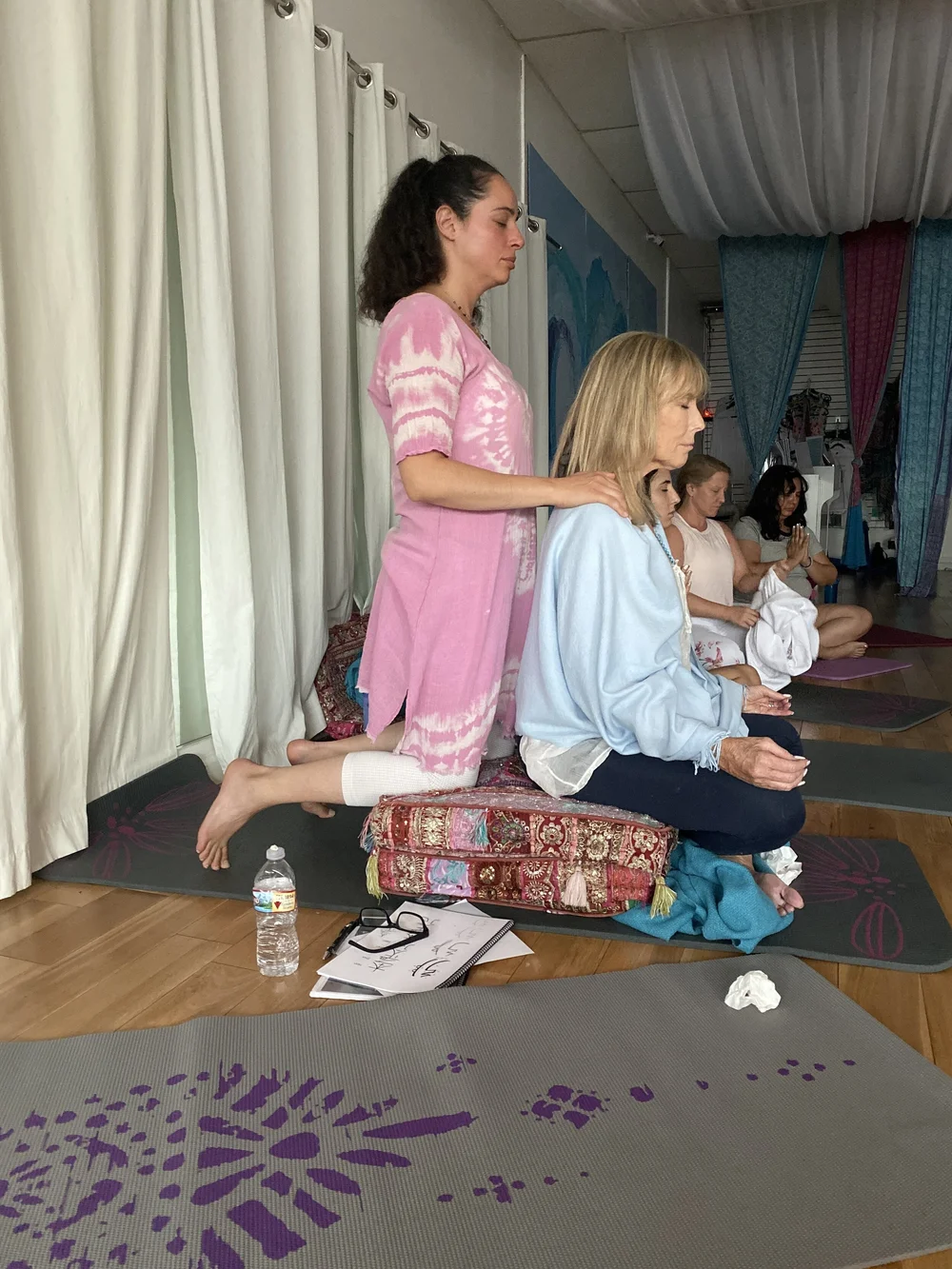
New to it? Wear something loose you can breathe in, bring a blanket or shawl for
the long final relaxation, and don’t worry about getting the chanting or
breathwork “right” — following along is the whole practice. Let the unfamiliar
parts be unfamiliar; they tend to make sense by the end.
Browse the full directory on the studios page, or explore other
styles and neighborhoods to find the practice and
the part of town that fit you best.
Frequently asked questions
What is Kundalini yoga?
Kundalini is a practice that blends repetitive movement, conscious breathing, chanting, and meditation into a single session. Rather than chasing deep stretches or hard poses, it uses set sequences called kriyas to move energy through the body and quiet the mind. Many classes end with a long, deeply restful meditation or relaxation.
Who is Kundalini yoga good for?
It suits anyone curious about the calmer, more meditative side of yoga, and anyone who wants the benefits of a practice without needing to be strong or flexible. Because so much of the work is breath and repetition rather than athleticism, it's welcoming to people of almost any age or fitness level. If you're stressed, anxious, or simply burned out, this style was practically built for you.
What should I bring or wear to a Kundalini class?
Wear loose, comfortable clothing you can breathe and move freely in — natural fabrics feel especially nice here. Bring a mat and, if you have one, a blanket or shawl to stay warm during the long final relaxation. Some practitioners wear white or cover their head, but as a newcomer you absolutely don't have to; come as you are.
Is Kundalini suitable for beginners?
Yes. The movements are simple and repetitive by design, so there's nothing complicated to learn on day one. The chanting and breathwork can feel new at first — that's completely normal. Follow along as best you can, rest whenever you need to, and let the unfamiliar parts wash over you. A first class is just about showing up and breathing.
 Kundalini
  Kundalini
  Kundalini