Guide
Meditation for beginners
Want to start meditating but don't know where to begin? Here's the no-mystery version — what it really is, a five-minute practice to try today, the beginner styles, and where to learn in LA.

Meditation has a reputation problem. Somewhere along the way it picked up an image of robed monks, perfect posture, and a totally silent mind — and that picture scares off most of the people who’d benefit from it. The truth is much plainer. Meditation is a skill anyone can practice, it doesn’t require any special belief or equipment, and you can get something out of it on your very first try.
This guide is the friendly version. No incense required, no jargon for its own sake. Just what a complete beginner actually needs to start.
What meditation actually is
At its simplest, meditation is training your attention. You pick something to focus on — your breath, a sound, a word — and when your mind wanders off (it will), you notice and gently bring it back. That’s the whole loop. Focus, wander, notice, return. Repeat.
Here’s the part that surprises people: the wandering isn’t a mistake. A lot of beginners decide they’re “bad at meditation” the moment a thought shows up, and they quit. But the mind produces thoughts the way the heart beats — you can’t stop it, and you’re not supposed to. The actual practice is the noticing and returning. Every time your attention drifts and you guide it back, you’re doing one rep. The drifting is what makes the rep possible.
So you can let go of the two biggest worries right now. You don’t need to empty your mind, and you don’t need to sit cross-legged on the floor with a straight back if that’s uncomfortable. A chair is fine. Lying down is fine. The posture matters far less than showing up.
A five-minute practice to try today
You don’t have to wait for a class to begin. Here’s a simple breath meditation you can do this afternoon.
- Find a quiet-ish spot and set a timer for five minutes. A chair, a couch, the floor — wherever you can be reasonably still.
- Let your eyes close, or soften your gaze toward the floor. Take one slow breath to arrive.
- Bring your attention to your breath. Don’t change it — just feel it. The cool air coming in, the warm air going out. Maybe the rise and fall of your belly.
- When you notice you’ve drifted into thinking, that’s the moment. No frustration. Just silently note “thinking,” and return to the next breath.
- When the timer rings, take a moment before you jump up. Notice how you feel.
That’s it. If your mind wandered fifty times in five minutes, you did it correctly fifty times. The goal was never stillness — it was the returning.
Beginner-friendly styles worth knowing
“Meditation” is really a family of practices. A few are especially welcoming for beginners, and it’s worth knowing the names so you can recognize them on a class schedule.
Breath awareness (mindfulness)
The most universal entry point — the practice above. You anchor on the breath and return to it whenever the mind drifts. Almost every LA studio’s meditation or mindfulness class is built on this.
Guided meditation
A teacher talks you through it, so you always know what to do next. Great if silence feels intimidating at first. You’ll find guided sessions baked into restorative classes and many beginner offerings.
Mantra and Kundalini
Here you repeat a word, phrase, or sound to give your attention a steady home. Kundalini classes weave in breathwork, chanting, and movement alongside the seated portion — a more active, energizing flavor of meditation that some beginners find easier than sitting in silence.
Sound baths
The gentlest on-ramp of all. You lie down, get comfortable, and simply listen while a teacher plays singing bowls, gongs, and chimes. There’s nothing to learn and no posture to hold — the sound does the work and carries you into a calm, meditative state. If sitting still sounds hard, start here.
Where to learn meditation in LA
You can absolutely start at home, but learning alongside a teacher and a room full of equally new people takes a lot of the guesswork out of it. Los Angeles has welcoming options across the city.
In Silver Lake, Kundalini Silverlake specializes in Kundalini and meditation, with an affordable, approachable vibe that’s friendly to first-timers. Over in Venice, Open Venice builds its classes around meditation, breathwork, and movement — a good place to ease in without it feeling rigid.
If a sound bath sounds like your speed, you have your pick of beautiful rooms. Santa Monica Yoga runs candlelit sound baths on the Westside, Yoga Nest Venice leans into a cozy, community feel, Peace Yoga Gallery hosts them downtown, and One Life Yoga in Pasadena pairs sound baths with a sauna for a full reset.
To see everything near you, browse the directory by style — the meditation and sound-bath pages list every studio in town offering each — or by neighborhood if you’d rather find something close to home. Many studios offer a discounted intro week, which is a low-pressure way to try a couple of classes before you commit.
Building a habit that sticks
The single biggest predictor of whether meditation works for you isn’t talent or the right cushion — it’s consistency. Five minutes a day beats an hour once a month, every time. Here’s how beginners make it stick.
- Attach it to something you already do. Right after you brush your teeth, before your first coffee, the moment you sit down at your desk. Anchoring it to an existing habit means you don’t have to remember.
- Keep the bar embarrassingly low. On a busy day, even one minute counts. The point is to not break the chain.
- Don’t grade yourself. There’s no good or bad session. Some days the mind is loud, some days it’s quiet — both are normal, and neither means anything about your progress.
- Mix in a class. A weekly studio session gives your home practice a rhythm and a community, and learning from a teacher fills in the gaps.
Start small, stay curious, and let it be easy. The practice takes care of the rest.
A note on meditation and your health
This guide is general wellness information, not medical advice. Meditation is a supportive practice that many people find calming and grounding, but it isn’t a treatment for anxiety, depression, sleep disorders, or any medical condition. If you’re dealing with something ongoing, talk to a doctor or qualified professional, and treat meditation as a complement to their care rather than a replacement for it. And if you ever feel more distressed while practicing — which occasionally happens — it’s completely fine to stop, open your eyes, and come back to it another day.
Studios to explore
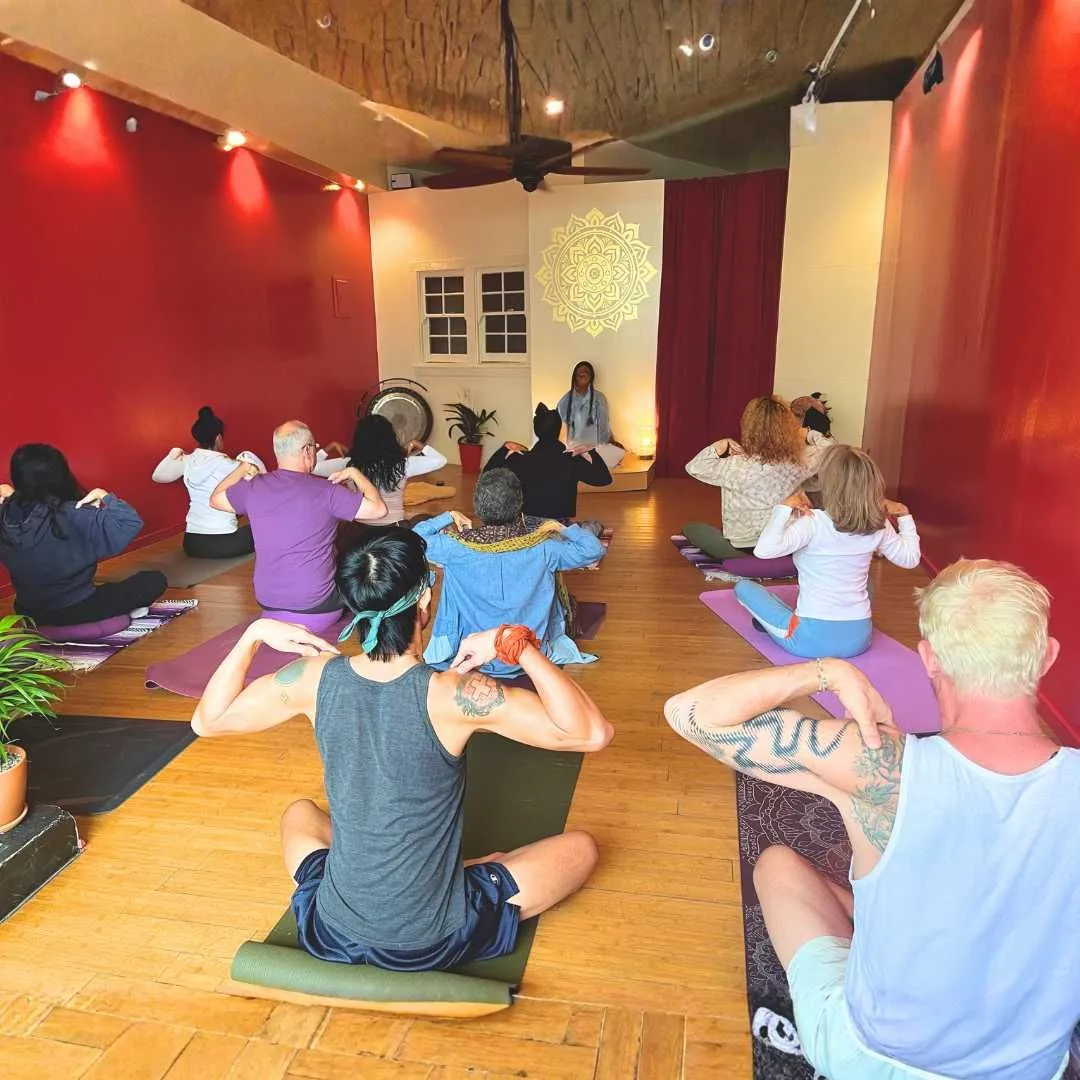 Kundalini
 Kundalini Silverlake
An intimate, affordable studio specializing in Kundalini practice, breathwork and chanting.
Open Venice
The in-person home of the Open app, blending movement, breathwork and meditation with a great sound system.
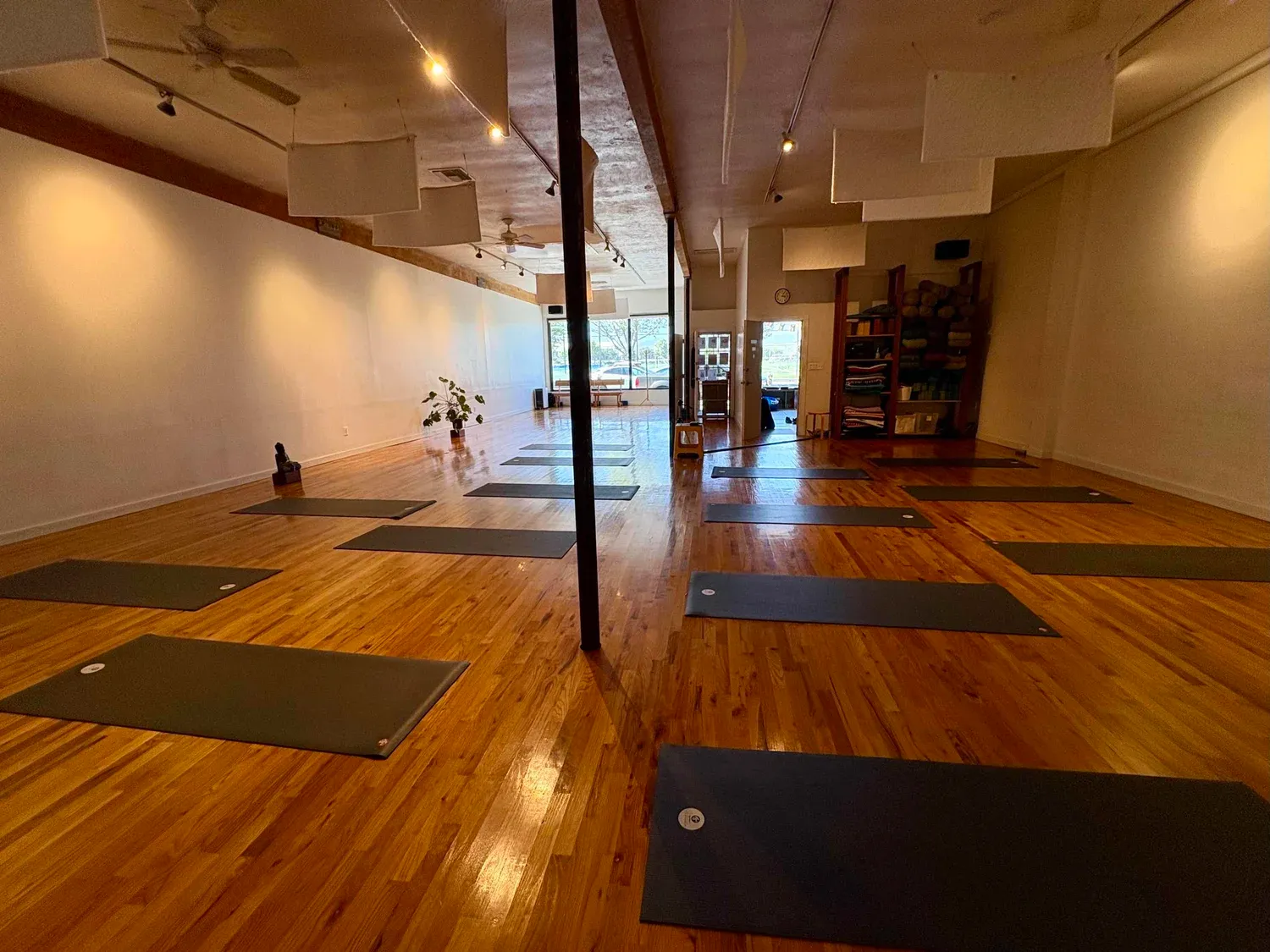 All levels
 Santa Monica Yoga
A long-running, down-to-earth studio with a strong community and evening candlelight and soundbath events.
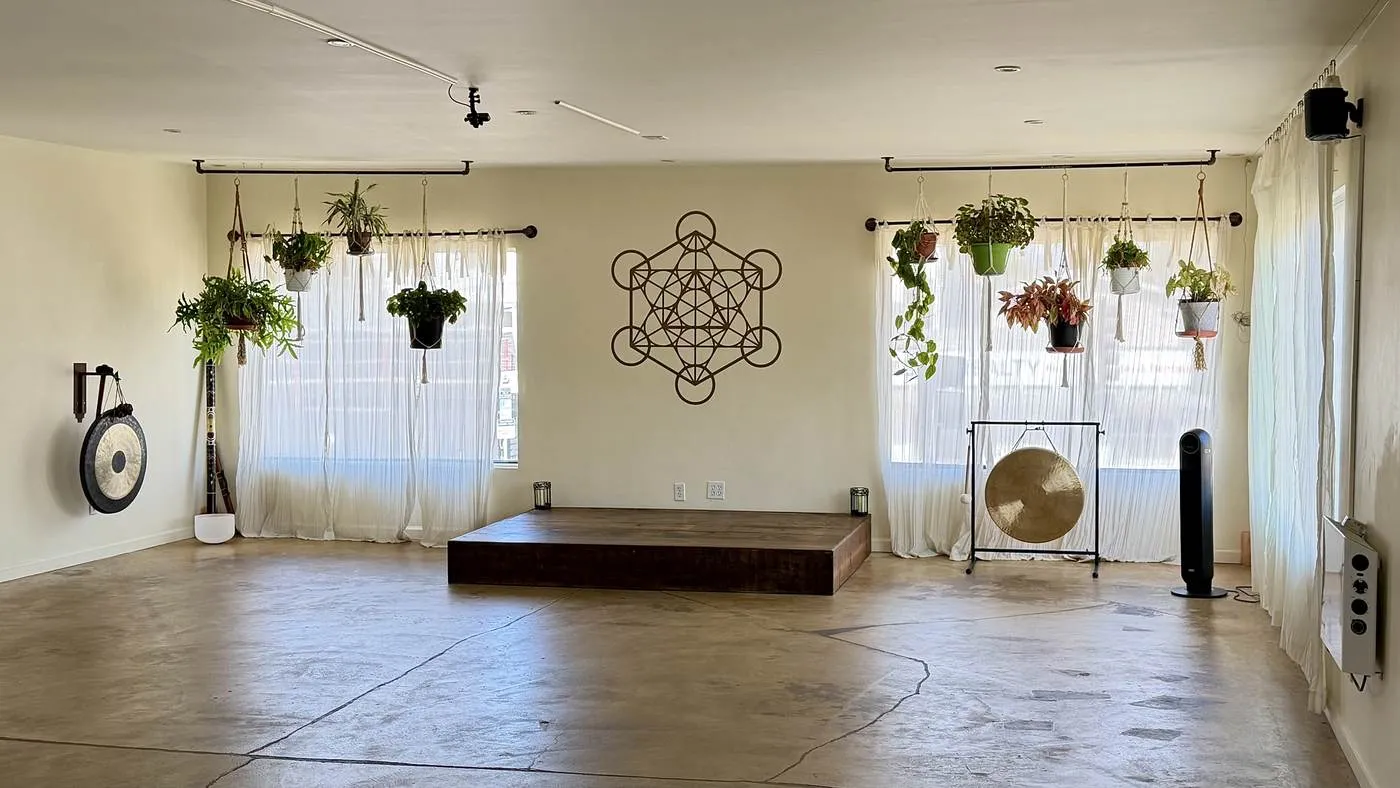 Sound bath
 Yoga Nest Venice
An eclectic, light-filled studio known for candlelit yin, soundbaths and a magical community feel.
Peace Yoga Gallery
Part studio, part gallery and raw-vegan kitchen, a long-standing community hub in downtown.
One Life Yoga
A calm, intentional studio with a variety of classes, sound baths and an on-site sauna.
Frequently asked questions
Do I have to stop thinking to meditate?
No, and that's the biggest myth about it. The mind produces thoughts the way the heart beats — you can't switch it off. Meditation isn't about a blank mind; it's about noticing when your attention has wandered and gently bringing it back. Every time you do that, the practice is working.
How long should a beginner meditate?
Start small. Five minutes a day is plenty, and it's far more useful than twenty minutes once a week. A short, regular sit builds the habit and lets your attention get used to settling. You can always stretch the time later once it feels natural.
What is a sound bath, and is it good for beginners?
You lie down, get comfortable, and listen while a teacher plays singing bowls, gongs, or chimes. There's nothing to learn and no posture to hold — the sound carries the whole session. It's one of the gentlest ways to drop into a meditative state, which makes it a great first experience.
Can meditation help with anxiety or sleep problems?
Many people find it calming, but it isn't a treatment. Meditation is a supportive wellness practice, not medical care. If you're dealing with ongoing anxiety, sleep trouble, or any health condition, talk to a doctor or qualified professional and treat meditation as a complement, not a substitute.