Guide
Yoga for Kids in LA
Wondering if yoga is right for your child? Here's what kids yoga is really about, the benefits parents notice, and how to find playful, family-friendly classes across LA.

If you picture yoga as a hushed room full of grown-ups holding still, the idea of a class for kids might sound like a contradiction. It isn’t. Kids yoga looks a lot more like play than meditation — animals, balance games, big breaths, and the occasional fit of giggles. The poses are real, but the whole point is that they arrive wrapped in fun.
This guide is for parents and caregivers curious about whether yoga might be a good fit for a child in Los Angeles. No jargon, no pressure, and no expectation that your kid sit perfectly still for an hour. (Spoiler: that isn’t the goal.)
What kids yoga actually is
At its simplest, kids yoga is movement and play with a little breathing and quiet mixed in. A class might wander through a forest of poses — a downward dog that’s actually a dog, a cobra that hisses, a tree that wobbles and laughs. Teachers often build a story or a theme so the poses string together into something a child wants to follow.
The shapes are genuine yoga poses, scaled to small bodies and short attention spans. What changes is the framing. Instead of “hold this for five breaths,” it’s “can you balance like a flamingo?” Instead of a long silent rest, it’s a minute of lying still pretending to be a melting snowman. The learning is real; the delivery is joyful.
A grounding note before we go further: yoga for kids is play and movement, not a medical or behavioral treatment. It’s a lovely thing to offer a child, but it’s best held lightly — something to enjoy, not a fix for anything.
The benefits parents notice
Ask parents who’ve stuck with it and you’ll hear the same handful of things.
Body awareness and coordination. Balancing on one foot, crawling like a bear, reaching and stretching — kids build a clearer sense of where their body is in space, which spills over into everything from sports to simply being less clumsy.
A little more calm. The breathing games — blowing out birthday candles, hissing like a snake, smelling a flower — give children a simple, portable tool. Many parents notice their kids reach for a big breath on their own when they’re frustrated, which is a small kind of magic.
Focus and transitions. Following a sequence, waiting for a turn, settling for a short rest — these are gentle reps in paying attention. Plenty of families find that bedtime or the shift from school to home goes a touch more smoothly.
Confidence and plain fun. There’s no scoreboard in yoga and no one gets cut from the team. A child who isn’t drawn to competitive sports often finds a home on the mat, where the only goal is to try the pose and have a good time.
None of this is guaranteed, and none of it is medicine. But as a low-stakes, screen-free way to move and breathe together, it earns its place.
How a kids class is different
If you’ve taken an adult class, set those expectations aside. A kids class is shorter — often 30 to 45 minutes — because that’s about the runway most children have. It’s louder, too: music, names called out, sound effects, the works.
Stillness shows up in small doses rather than one long stretch at the end. A teacher might sprinkle ten-second “freeze like a statue” moments throughout, then close with a brief, cozy rest. Props get used as toys as much as supports — a blanket becomes a magic carpet, a block becomes a stepping stone.
Ages are usually grouped, because a toddler and a nine-year-old want very different things from a class. When you’re browsing, look for the age range in the description, and don’t be shy about asking a studio which class would suit your child best. And do call ahead — many LA studios are adult-focused, so confirming that kids are genuinely welcome (and whether you stay in the room) saves everyone an awkward morning.
Finding family-friendly classes in LA
Here’s the honest part: dedicated kids yoga is less common than adult yoga in Los Angeles, and offerings come and go. The reliable move isn’t to chase a specific program — it’s to find welcoming, all-levels, community-minded studios near you and ask what they offer for families. The friendlier and more community-oriented a studio is, the more likely it can point you toward a kids class, a family session, or a teacher who works with children privately.
The best way to start is by neighborhood, since the class you’ll actually keep attending is the one close to home.
In Santa Monica, Santa Monica Yoga is a long-running, all-levels community studio — exactly the kind of welcoming, calm room worth calling to ask about family-friendly options. Browse everything nearby on the Santa Monica page.
In Pasadena, Yoga House is a warm, prop-friendly studio known for its all-levels and Iyengar teaching — the patient, detail-oriented style that tends to translate well to younger students. See the rest of the area on the Pasadena page.
When you’re ready to widen the search, browse the full directory by neighborhood to find welcoming studios near home, then call and ask the one question that matters: what do you have for kids?
Making it a habit, gently
A few small things help yoga stick for children. Keep it short, especially at first — a happy fifteen minutes beats a forced forty-five. Let your child lead when they want to; if the cobra wants to roar instead of hiss, let it roar. And join in yourself now and then. Few things make a pose more appealing to a kid than watching a grown-up wobble through a tree pose right beside them.
Most of all, keep the bar where it belongs: this is play. There’s no wrong way to do a dog pose, no flexibility to earn, nothing to be good at. Find a welcoming room, follow your child’s curiosity, and let the giggles do the rest.
Studios to explore
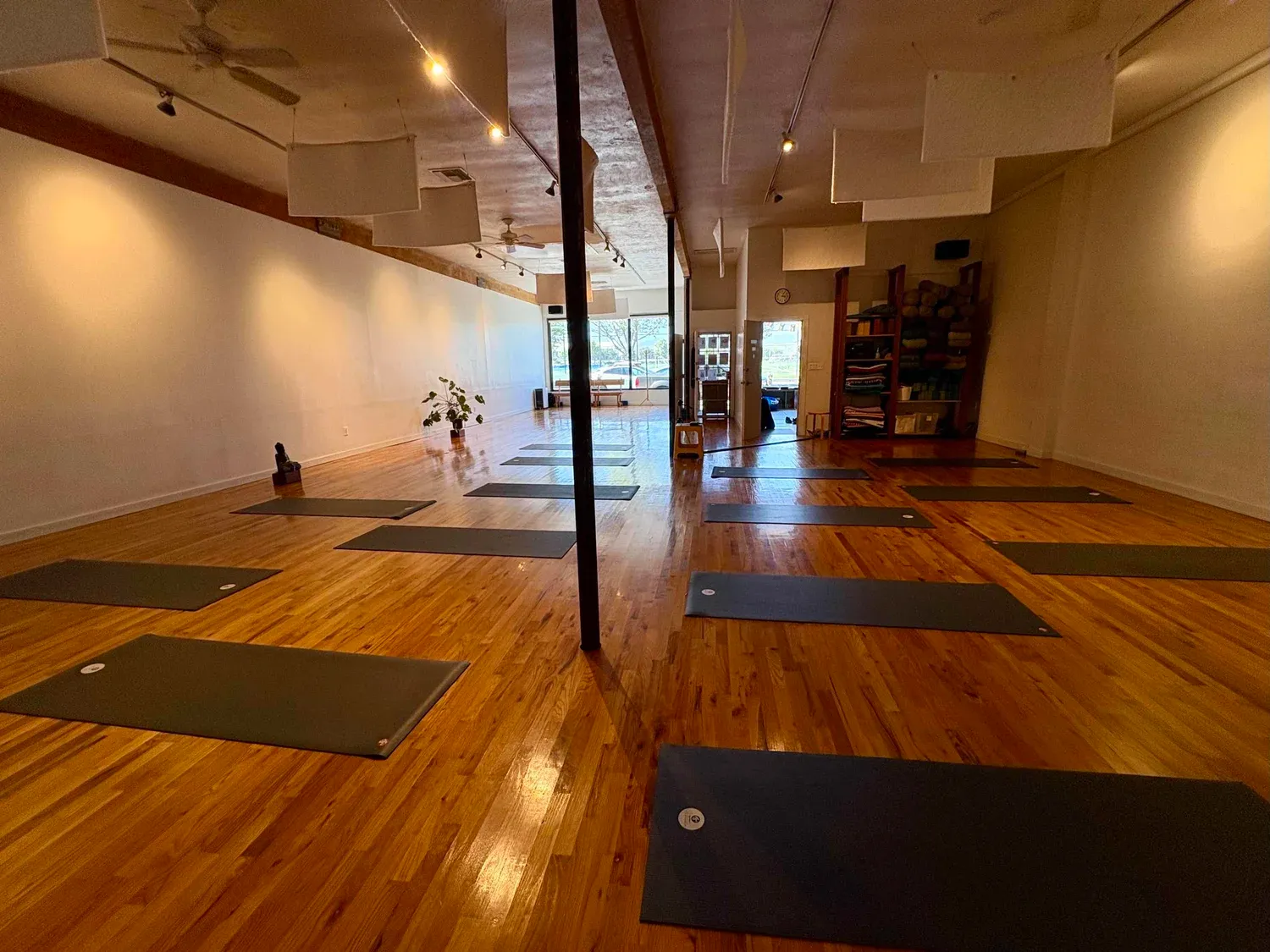 All levels
 Santa Monica Yoga
A long-running, down-to-earth studio with a strong community and evening candlelight and soundbath events.
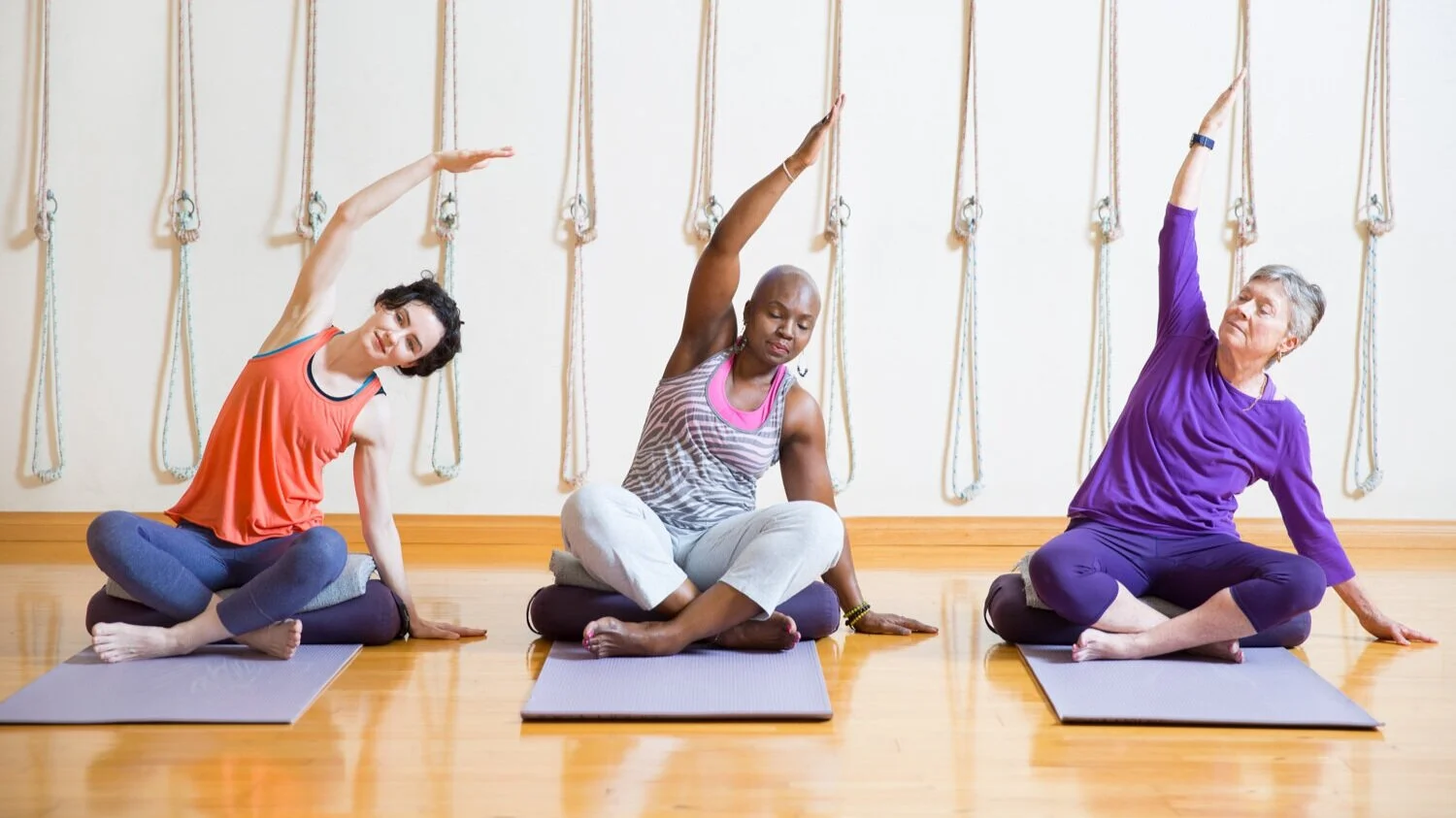 Iyengar
 Yoga House
A genuine old-school studio with experienced teachers, Iyengar classes and a welcoming community.
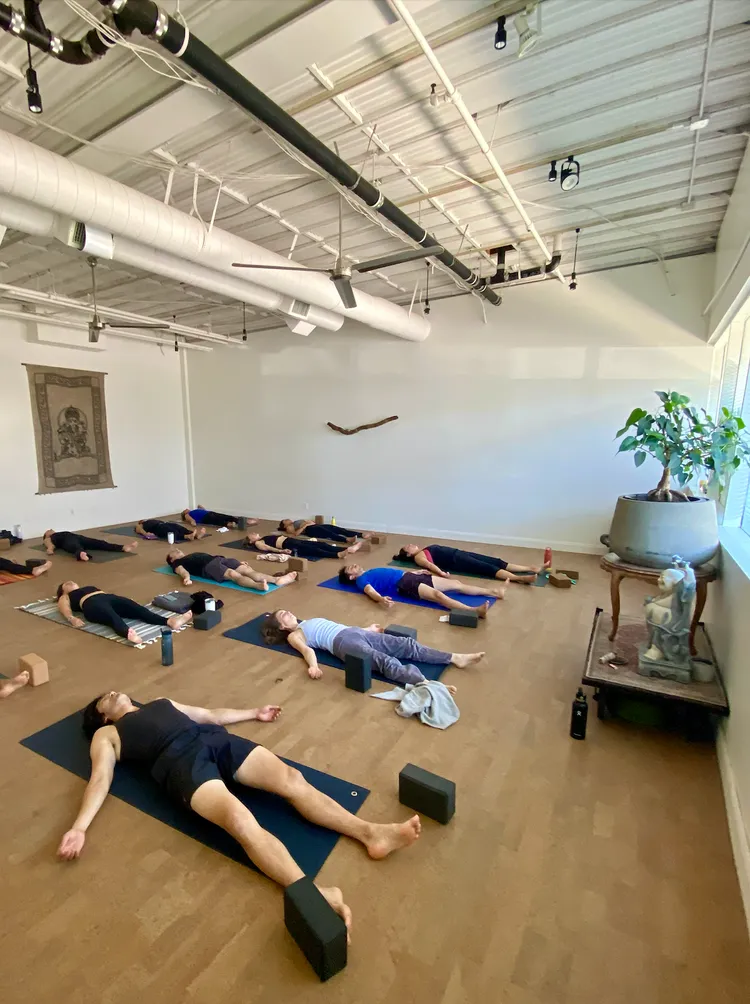 Beginner-friendly
 yogazan
A calm, spotless neighborhood studio with free mat rentals and teachers who welcome first-timers.
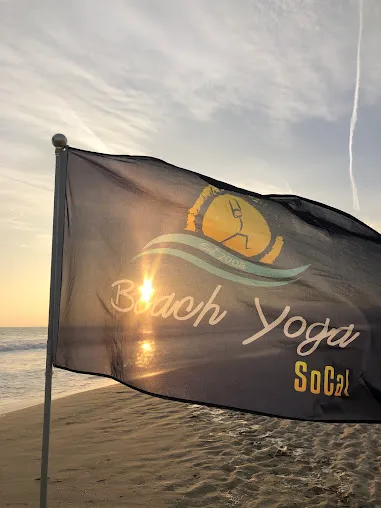 Outdoor
 Beach Yoga SoCal
Small-group yoga right on the sand, with sunrise and sunset classes and mats provided.
Hot 8 Yoga Santa Monica
A polished hot-yoga studio with a deep class menu spanning yin, power, sculpt and barre fusion.
Sweat Yoga Santa Monica
Candlelit, no-mirror hot yoga in downtown Santa Monica with a loyal, packed-room following.
Frequently asked questions
What age can kids start yoga?
There's no strict rule. Toddlers can enjoy simple animal poses and songs, while school-age kids can follow a fuller class. The right starting point is whenever your child is curious and the class is built for their age group.
Is kids yoga just a quiet version of adult yoga?
Not at all. Good kids yoga is playful and active — animal shapes, storytelling, games, and short bursts of stillness. The poses are real, but the framing is fun, not serious or silent.
Do I need to bring anything to a kids class?
Usually just comfortable clothes your child can move in and a water bottle. Many studios lend mats. Call ahead to confirm what's provided and whether parents stay in the room.
Will yoga help my child focus or calm down?
Many parents notice their kids handle transitions and big feelings a little more easily with regular practice. It helps with body awareness and breathing, but it's playful movement, not a treatment or a guarantee.