Guide
Yoga for Seniors in LA
Gentle yoga that meets you where you are. Here's how to find joint-friendly, prop-supported, welcoming classes for seniors across LA — chairs included, no flexibility required.

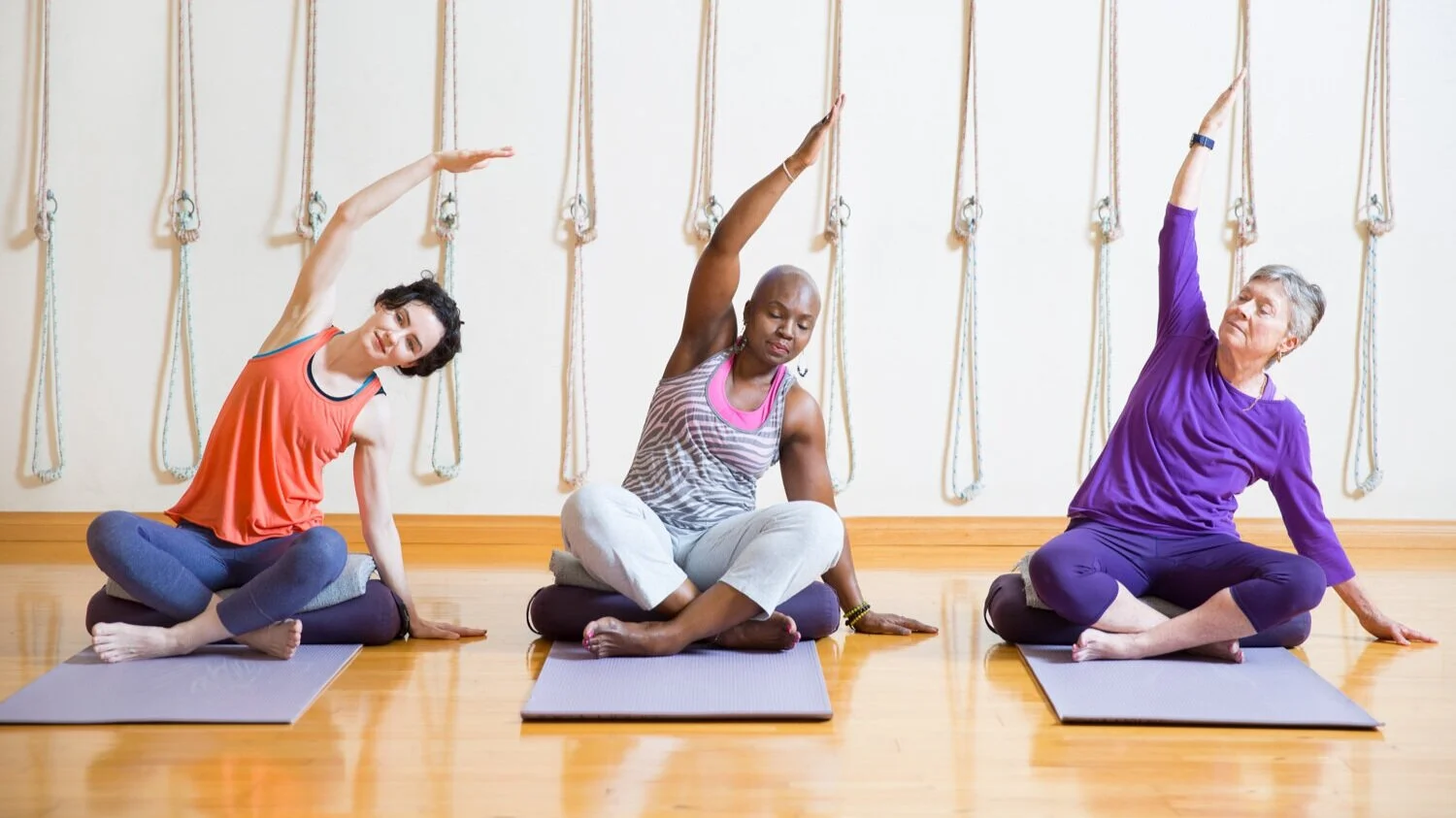
There’s a quiet myth that yoga belongs to the young and bendy — the people you see folded into pretzels on the internet. It doesn’t. Some of the most steady, loyal practitioners in Los Angeles are in their sixties, seventies, and beyond, and they didn’t get there by touching their toes on day one. They got there by finding a gentle class, a patient teacher, and a room that welcomed them exactly as they walked in.
This guide is for older adults — and anyone whose joints have opinions. No jargon for its own sake, no gatekeeping, and absolutely no requirement that you be flexible, fit, or fearless to begin.
Why gentle yoga suits older bodies
As we age, the goals of movement shift. It’s less about how deep a stretch goes and more about staying mobile, steady on your feet, and comfortable in your own body. Gentle yoga is built for exactly that: slow, deliberate movement, plenty of support, and breathing that helps the whole nervous system settle.
The pace is the point. In a gentle class, poses are introduced slowly and held long enough to actually learn them. Nothing rushes. You’re never racing a playlist or chasing the person on the next mat. That unhurried rhythm is what makes the practice safe to explore — and surprisingly enjoyable.
A realistic note: yoga is movement, not medicine. It won’t cure a condition, and it isn’t a substitute for physical therapy or your doctor’s advice. But for many older adults, a regular gentle practice becomes a kind, sustainable way to keep moving.
Senior-friendly styles in LA
Not every class is a good fit, and that’s fine — you just need to know which names to look for.
Restorative
The gentlest end of the spectrum. Restorative yoga is almost entirely on the floor (or fully supported on bolsters and blankets), holding a small number of deeply propped shapes for several minutes each. It’s less about effort and more about rest. It’s nearly impossible to overdo, which makes it a wonderful place to start. You can explore restorative classes across the city through the directory.
Iyengar
If you like precision and clear instruction, Iyengar is worth a look. It’s known for using props — blocks, straps, chairs, the wall — to bring each pose within reach of your body rather than forcing your body into the pose. Teachers are typically trained in great detail, which means thoughtful adjustments and a lot of attention to alignment and safety. Browse Iyengar classes to find one near you.
Gentle and all-levels flow
Plenty of “all-levels” or “gentle flow” classes are perfectly senior-friendly, especially when the teacher offers modifications and you give yourself permission to rest. Child’s pose, a seat, or simply pausing are always on the menu. Resting isn’t quitting — it’s practicing.
Styles to approach with more care: hot yoga (the heat adds strain) and power or Ashtanga (fast and demanding). There’s no rule against them, but they aren’t the easiest doorway in.
Chairs, walls, and props
Here’s the most freeing thing to know: you do not have to get down on the floor to do yoga.
Chair yoga does the work seated, or using a chair for balance and support. You still get the stretching, the gentle twists, the breathing, and the balance practice — without the up-and-down that can be hard on knees, hips, or wrists. Many gentle and Iyengar-style teachers fold chair work in naturally.
The wall is an underrated prop. Standing poses done with a wall behind you take the fear out of balance work, so you can build steadiness without worrying about a fall.
Bolsters, blankets, blocks, and straps are not training wheels — experienced practitioners use them constantly. A block brings the floor closer to your hand. A strap extends your reach. A bolster lets you rest fully supported. Using props generously is a sign of a smart practice, not a beginner one.
What to look for in a class
A little scanning of the schedule goes a long way. Good signs in a class description: gentle, restorative, all-levels, slow, props, chair, mobility. Less ideal as a first stop: power, hot, advanced, sculpt.
Then make one phone call or send one message before you go. Mention your age if you like, any joint or balance concerns, recent surgeries, or anything your doctor has flagged. Every good LA studio hears this regularly and will steer you to the right class and teacher. It’s not an imposition — it’s exactly the information that lets them keep you safe.
When you arrive, get there ten minutes early, tell the teacher it’s your first time, and set up near a wall or the front where you can see and hear clearly. That’s the whole checklist.
Finding a welcoming studio near you
In LA, the right studio is almost always the one close to home — the one you’ll actually return to because it’s a short drive away. A few neighborhoods are especially worth a look for gentle, prop-friendly practice.
In Pasadena, Yoga House offers Iyengar and all-levels classes — the precise, prop-supported style that tends to suit older bodies well. Browse everything in the area on the Pasadena page.
On the Westside, the Santa Monica listings are a good place to find calmer, all-levels options near the coast. And for a softer, restorative-leaning room, Boheme Yoga keeps restorative on its menu alongside its other classes.
Many studios offer a discounted intro week — a low-pressure way to try a few gentle classes and meet a few teachers before committing to anything.
Start slow, speak up about what your body needs, and pick the room that feels welcoming. The practice takes care of the rest — and it has all the time in the world to meet you where you are.
Studios to explore
Boheme Yoga
A tidy DTLA studio with hot classes, live-music sessions and restorative practice in the Historic Core.
 Iyengar
 Yoga House
A genuine old-school studio with experienced teachers, Iyengar classes and a welcoming community.
3 Wellness Home
A women-only wellness studio on Central Avenue running small-group classes — reformer Pilates, stretching and yoga — alongside EMS body-sculpt treatments and one-to-one sessions. The sculpt and Pilates side is clearly the draw; yoga is one item on a broader menu. The studio does not publish its street number on its own site, so the suite here comes from its booking listing.
 Flow
Flow Black Dog Yoga
A long-running Studio City room on Moorpark, and one of the Valley's easier studios to walk into cold — the beginner classes are genuinely for beginners rather than a slower flow. Vinyasa across levels with restorative on the schedule, plus workshops and teacher training. Street-level, with the name on the awning so you cannot miss it.
 Flow
Flow Center For Yoga
The studio calls itself the longest continuously operating yoga room in Los Angeles — founded in 1967 and on Larchmont since 1969, in a 1925 building that was a Masonic temple and then a dance school. Nine formats run off one schedule, from a foundational level-one class and Iyengar through vinyasa, infrared hot flow, power sculpt, pilates and restorative.
 Sound bath
 CEREMNY
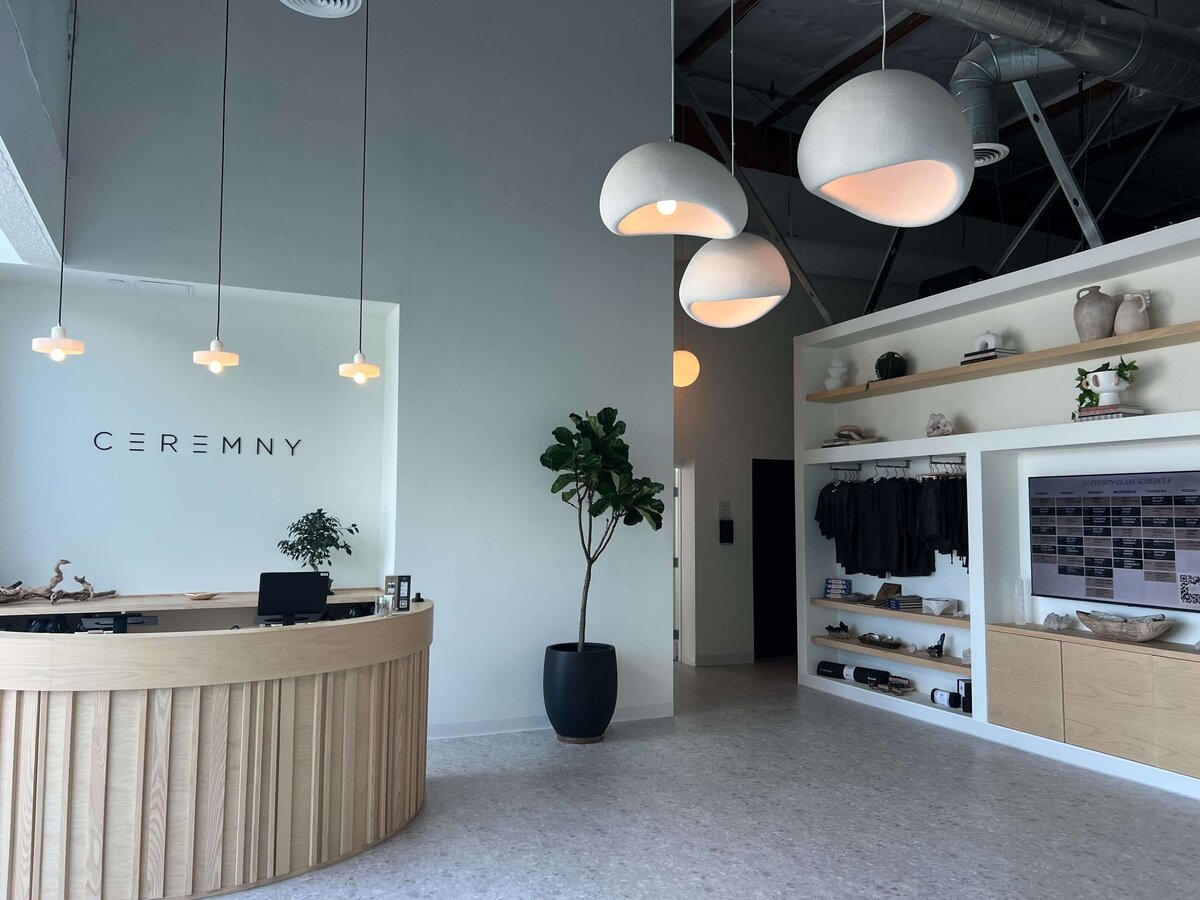
A first-floor Washington Blvd space that runs soul yoga and sound baths alongside somatic workshops, breathwork and a 200-hour teacher training. The schedule leans slow and guided rather than back-to-back drop-ins, and monthly immersive workshops are the centre of it — worth checking the calendar before you plan a first visit.
Frequently asked questions
Do I need to be flexible to start yoga as a senior?
No. Flexibility is a result of practice, not a requirement for it. Gentle classes use props and modifications so every pose meets your body where it is today.
What is chair yoga?
Chair yoga does the poses seated or using a chair for support, so you get the stretching, breathing, and balance work without lowering to and rising from the floor.
Is yoga safe if I have arthritis or a replaced joint?
Many older adults practice gentle yoga comfortably, but everyone is different. Check with your doctor first, then tell your teacher so they can offer modifications. Yoga is not a medical treatment.
Which LA styles are best for seniors?
Restorative and Iyengar are common favorites because they are slow, heavily propped, and precise. All-levels and gentle flow classes also work well when you go at your own pace.