Guide
Yoga Blocks: Foam vs Cork, 3-Inch vs 4-Inch, and How to Choose the Right One
Most foam blocks are much alike, and cork is a different tool rather than a better one. Here is how to pick the material, the size, and how many.
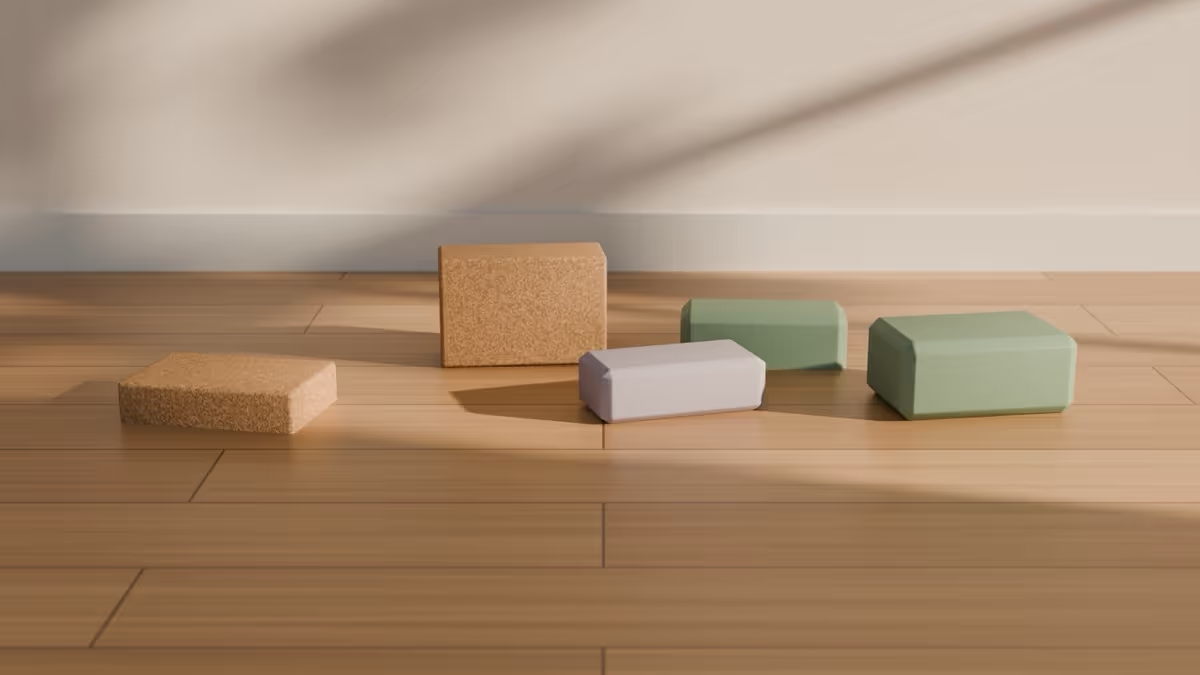
Yoga blocks look like simple accessories, but the right one makes a real difference. A block brings the floor closer, helps alignment, puts support where you need it, and opens up poses without forcing the body somewhere it is not ready to go.
With so many brands, materials, sizes and prices, which block is worth buying?
The two common choices are foam and cork. Both are useful, and they feel quite different. With foam there is a second choice too, between a standard 4-inch block and a thinner one.
Here is what sets each apart, and five blocks worth a look. One thing first: most LA studios keep a stack of blocks by the wall, so a class is a free way to find out which kind you like.
What is a yoga block?
A yoga block is a firm, rectangular prop, usually about 9 × 6 × 4 inches and made of EVA foam or cork, that brings the floor closer to you. Placed under a hand, the hips or the back, it supports a pose you cannot reach yet, steadies a balance, or lets the body rest in a supported shape.
Wood and bamboo blocks exist too, but they are the hardest of all and far less common in studios.
How to use a yoga block
A block turns three ways, so it gives you three heights: low (flat), medium (on its long edge) and tall (on its end). On a standard 9 × 6 × 4 inch block that is 4, 6 or 9 inches; on Manduka’s smaller Lean block, 2.75, 4.3 or 8.6.
Seven common uses:
- Under a hand in standing poses. In Triangle or Half Moon, rest the lower hand on a block instead of reaching for the floor, so the chest can stay open.
- Under both hands in a forward fold. In Standing Forward Fold or Pyramid, two blocks let you lengthen the spine instead of rounding to reach the mat.
- Under the hands in a lunge. In a low lunge, blocks either side of the front foot keep the hips square.
- Under the hips when you sit. Sitting on a block tilts the pelvis forward, which makes cross-legged sitting and seated forward folds easier on the back.
- Under the sacrum in Bridge. A block beneath the low back turns Bridge into a supported rest.
- Between the thighs. Squeezing a block in Bridge or Chair helps you feel the inner thighs work.
- Under the upper back or the knees. A block between the shoulder blades makes a chest opener; one under each knee supports Reclined Bound Angle.
Start on the lowest height and go up only if you need to: the aim is support, not distance from the floor.
Foam yoga blocks: light and versatile
Most foam blocks are made of EVA (ethylene-vinyl acetate), a light, closed-cell foam. They are comfortable to hold, easy to carry and versatile enough for almost any style of yoga.
Many foam blocks are much alike. A basic block from one brand often performs much like another. The real differences are density, firmness, size, surface texture and how the edges are finished.
Higher-density foam feels firmer and resists squashing. Softer foam is more comfortable against the body, which matters most in restorative poses.
For most people, a good standard foam block is all they need.
3-inch vs 4-inch foam blocks
A standard block is about 9 × 6 inches, and the common thicknesses are 4 inches and 3 inches. Either one can be turned to give three different heights, but the extra inch makes a difference.
A 4-inch block is the size most studios stock, and the one we would start with. It gives more lift lying flat and a broader surface under the hand, which helps in standing poses such as Triangle, Half Moon and Standing Forward Fold.
A thinner block suits smaller hands, anyone who wants less lift, or a block squeezed between the thighs and some restorative setups. It can be easier to grip, though hand size and the block’s shape matter as much as the thickness.
Foam blocks worth a look
An affordable everyday block: latex-free EVA foam, 9 × 6 × 4 inches, with bevelled edges. Good for general practice, stretching and restorative work, and the same block our beginner checklist recommends.
Manduka Recycled Foam Yoga Block
A firmer block in high-density EVA foam, 9 × 6 × 4 inches and 1 lb, with rounded edges. Manduka says it stays stable under weight, so it suits anyone who wants a more substantial foam block without the weight of cork.
Manduka Lean Recycled Foam Yoga Block
The low-profile option: the same foam, but smaller in every direction, at 8.6 × 4.3 × 2.75 inches and 0.6 lb. Worth a look for smaller hands, for less lift, or wherever a lower support suits the pose better.
Cork yoga blocks: firm and steady
Cork blocks feel different from foam. Cork is dense, so the surface is firm and solid.
Their great advantage is stability. Cork barely compresses when you lean on it, which makes it a dependable base for balances and weight on the hands. Its natural texture also grips well.
Cork is especially useful for:
- Standing balances, where weight goes through the hands.
- Arm balances, as a steady base when used appropriately.
- Inversion preparation, where a firm support matters. Learn inversions with a teacher before you add props to them.
- Alignment work, because a firm block gives a consistent point of contact.
Cork’s one big drawback is weight. Manduka lists its standard cork block at 2.2 lb, more than twice its standard foam block. That makes cork awkward when you hold a block overhead, squeeze it between the hands or thighs, or move it often during a sequence. Lying on your back with a block held above you, for instance, a heavy cork block adds effort you do not need.
Cork is also hard against the body, so it is not the most comfortable choice when a block supports your head, spine or hips for a long restorative hold.
Cork blocks worth a look
Solid cork with a textured surface and contoured edges, 4 × 6 × 9 inches and 2.2 lb. Manduka says the weight keeps it from shifting. A steady block for balance work, standing poses and inversion preparation. Care is simple: Manduka says to wipe it with a damp cloth and mild soap and never to soak it, because cork can swell.
Two 9 × 6 × 4 inch cork blocks and an 8-foot D-ring strap in one set, by its listing. Good value for home practice if you will use two blocks in standing and balancing poses.
Foam vs cork: which should you choose?
| Feature | Foam | Cork |
|---|---|---|
| Weight | Light (Manduka’s: 1 lb) | Heavier (Manduka’s: 2.2 lb) |
| Firmness | Soft to firm | Very firm |
| Stability | Good, depending on density | Excellent |
| Comfort | Kinder against the body | Hard surface |
| Grip | Depends on texture and moisture | Naturally textured |
| Inversion preparation | Useful, depending on the pose | Very firm support |
| Restorative yoga | Excellent | Can be too firm |
| Held overhead | More comfortable | Can be too heavy |
| Carrying to class | Easy | Less convenient |
One block or two?
Buy two matching blocks.
Many poses want the same height under both hands, such as Standing Forward Fold, Pyramid and supported seated forward folds.
Two blocks also give you more ways to set up restorative poses, such as a supported Bridge or a chest opener.
If you practise at home regularly, a matching pair is worth it.
Our recommendation
If you are buying your first blocks, start with two standard 4-inch EVA foam blocks.
They are light, versatile, comfortable and suit most practice. You do not need an expensive brand for a good foam block: look for decent density, a comfortable surface and smooth, bevelled edges.
If you practise standing balances, arm balances or inversion preparation, consider adding a pair of cork blocks.
Foam and cork are not competitors. They are tools that do different jobs:
- Foam for comfort, versatility and everyday practice.
- Cork for firmness, grounding and stability.
For the rest of a home kit, our home yoga props guide covers the strap, blanket, cushion and eye pillow, and our bolster guide compares the five bolster shapes.
In the end, the best block is the one that supports your body, helps you keep your alignment, and lets you explore your practice without strain.
Studios to explore
 Sound bath
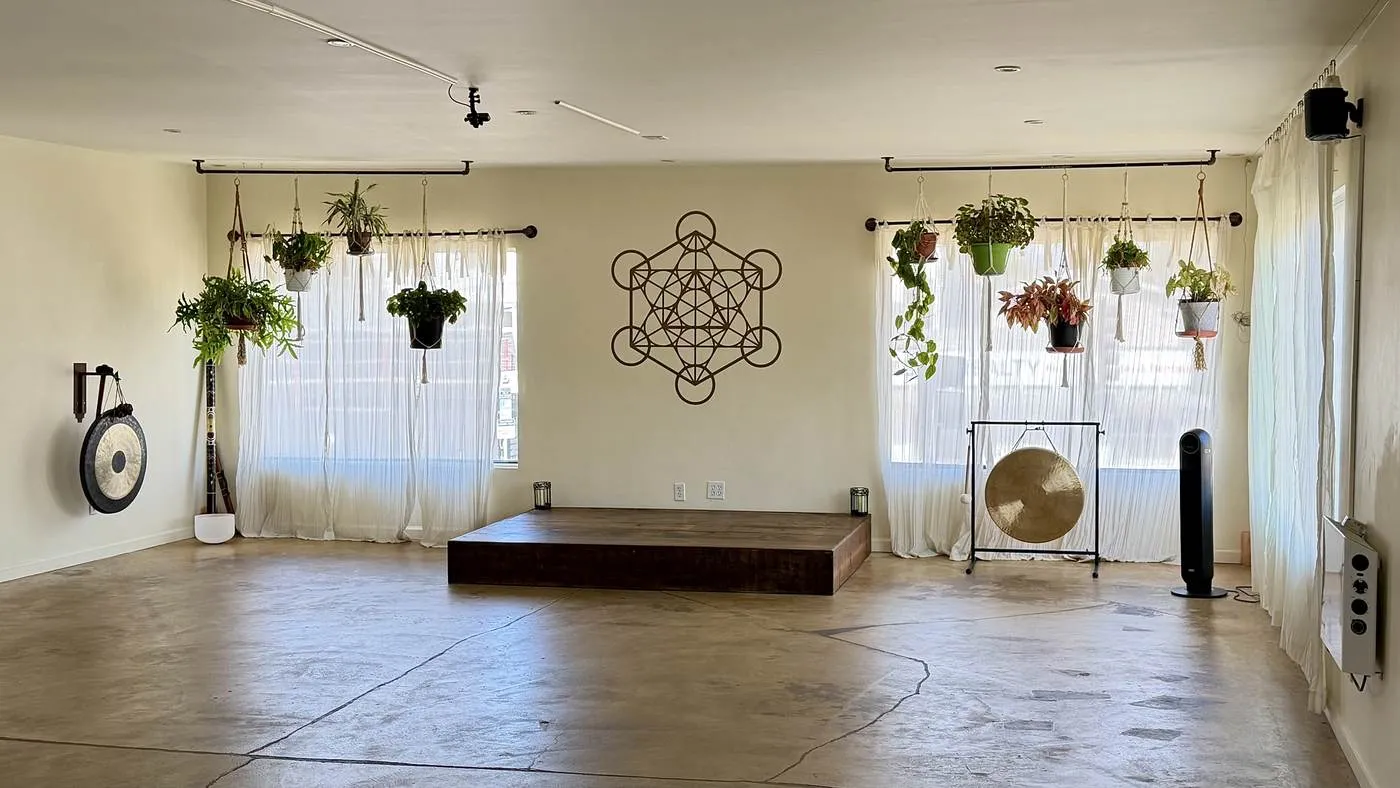
Yoga Nest Venice
An eclectic, light-filled studio known for candlelit yin, immersive sound baths, and a magical community feel. Offering everything from energizing Vinyasa and Ashtanga flows to gentle yoga, meditation, breathwork, and restorative practices, Yoga Nest creates space for both movement and deep rest. With a welcoming, inclusive spirit and a vibrant calendar of workshops and special events, it’s a place to explore new practices, reconnect with yourself, and find a sense of belonging in the heart of Venice.
 Sculpt
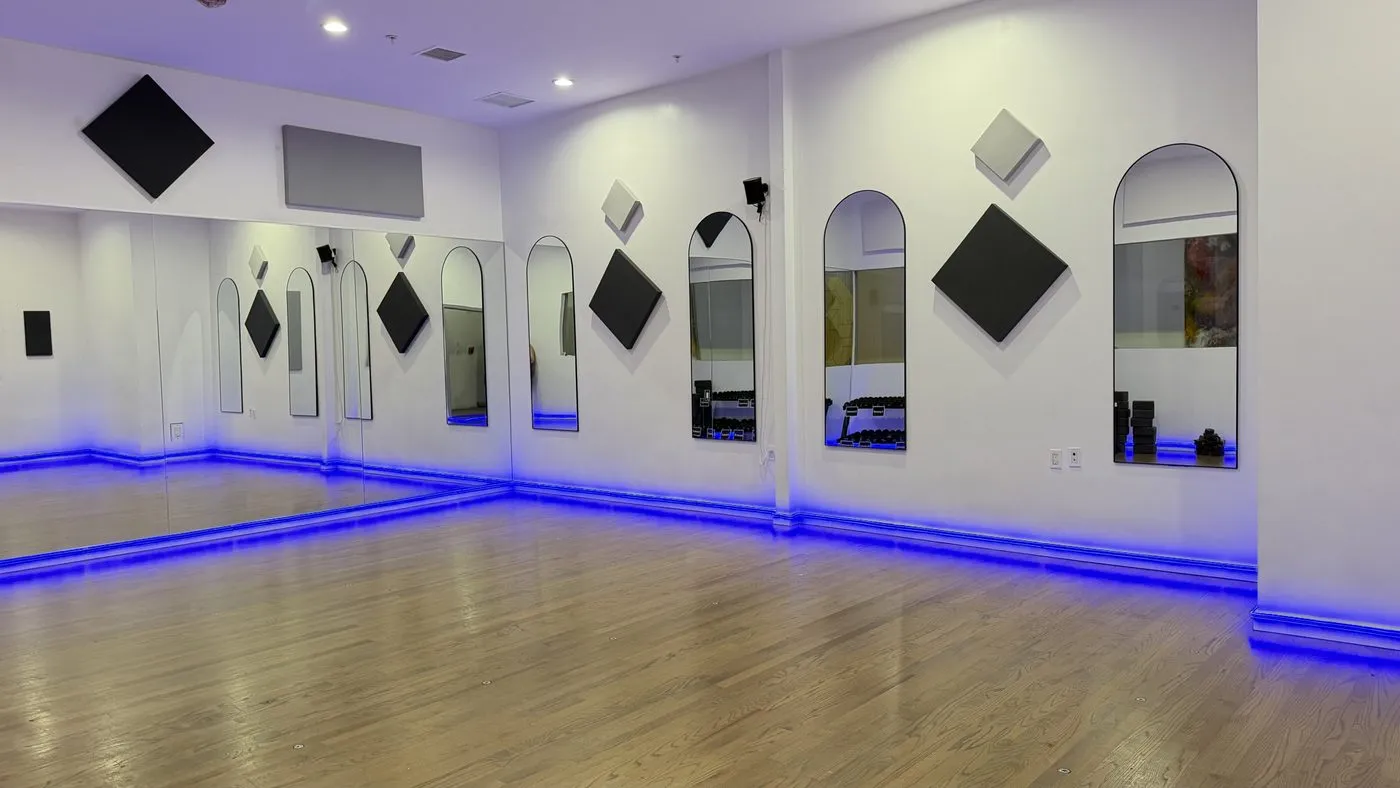
shefayoga Venice
Rooted in abundance and built around community, Shefa Yoga Venice is a vibrant, welcoming home for movement, discovery, and connection. With heated and unheated studios, an expansive schedule, and teachers who bring their own distinctive voices and traditions to the mat, the practice here is anything but one-size-fits-all. Explore dynamic Vinyasa, traditional 26&2, Rocket, restorative practices, meditation, and sound experiences, or simply linger over tea and connect with fellow practitioners. Just blocks from the beach, Shefa is a place to grow your practice, find your people, and experience yoga in all its many forms.
 Traditional lineage
Shiva Yoga
A philosophy-forward studio rooted in the traditional practice of yoga, with no mirrors or music and a strong YTT program.
Crescent Yoga
A small Altadena studio on the corner of Lincoln and Acacia running a tight, legible schedule: Mixed Levels most days, a Yoga and Strength class twice a week, and a Fundamentals class for people starting out, every one of them an hour, every one taught by a named teacher. Monday afternoon's Fundamentals is a community class. Booking closes thirty minutes before the start and latecomers are not admitted, so turn up on time. Parking is in the Superking lot.
 Slow flow & gentle
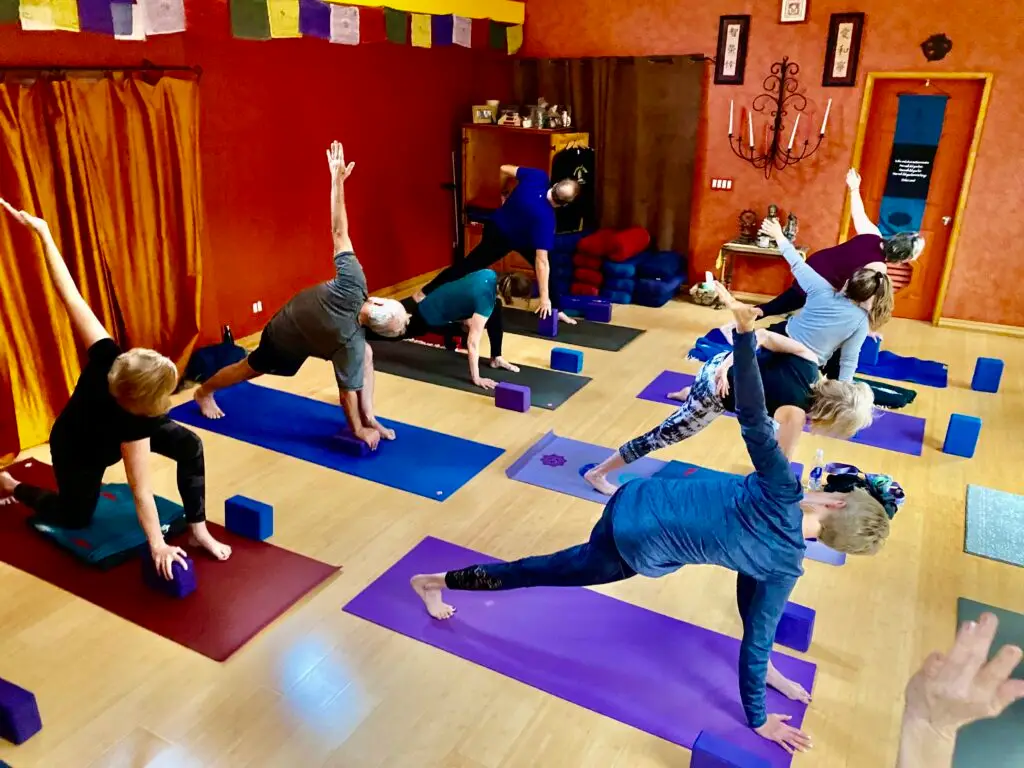
Garden of Yoga
A small, deliberately unglamorous studio on a residential street off Ventura, running mindful, gentle, restorative and mixed-level classes with an emphasis on working around injuries and chronic pain rather than pushing through them. Every class is offered live online as well as in the room, there is a pranayama and meditation class on the schedule, and sound baths run monthly. The draw is hands-on alignment feedback in a room small enough for the teacher to actually see you.
 Ashtanga
Lila Yoga Studio
A little further along Foothill from Yoga Rebel, and pitched at the traditional end: a genuine Ashtanga class sits on the same timetable as vinyasa, gentle flow, Yin, Yoga Nidra and a Restore and Sound class, with targeted hips-and-hamstrings and shoulders mobility sessions for people working around a specific restriction. Lila Strength and Hatha Power cover the harder end.
Frequently asked questions
Are cork or foam yoga blocks better?
Neither, for everything. Cork is firm and heavy, so it stays put and does not compress when you lean on it, which suits standing balances and weight on the hands. Foam is light and a little soft, which suits holding a block overhead, squeezing one between the thighs, or lying on one in a restorative pose. Many people own a pair of each.
Should I get a 3-inch or 4-inch yoga block?
Start with 4-inch, the size most studios stock: it gives the most lift and the broadest surface under the hand. A thinner block gives less lift and can be easier to grip with smaller hands. Manduka's Lean blocks, for example, are 2.75 inches thick and narrower all round.
How many yoga blocks do I need?
Two matching blocks. Standing Forward Fold, Pyramid and many seated folds want the same height under both hands, and two blocks also give you more ways to set up restorative poses.
How heavy is a cork yoga block?
Manduka lists its standard cork block at 2.2 lb (1 kg) and its standard recycled foam block at 1 lb (0.45 kg), both 9 x 6 x 4 inches. That weight is why cork stays where you put it, and why it is the less comfortable block to hold overhead.
Do I need my own yoga blocks?
Not to start. Most LA studios keep a stack of blocks to borrow. Buy your own when you practise at home and notice you keep reaching for one.