Guide
5 Best Yoga Bolsters: Shapes, Fillings and How to Choose the Right One
Five products that do the same thing is not a choice. Five bolster shapes are: what each one supports, what it is filled with, and which one to buy first.
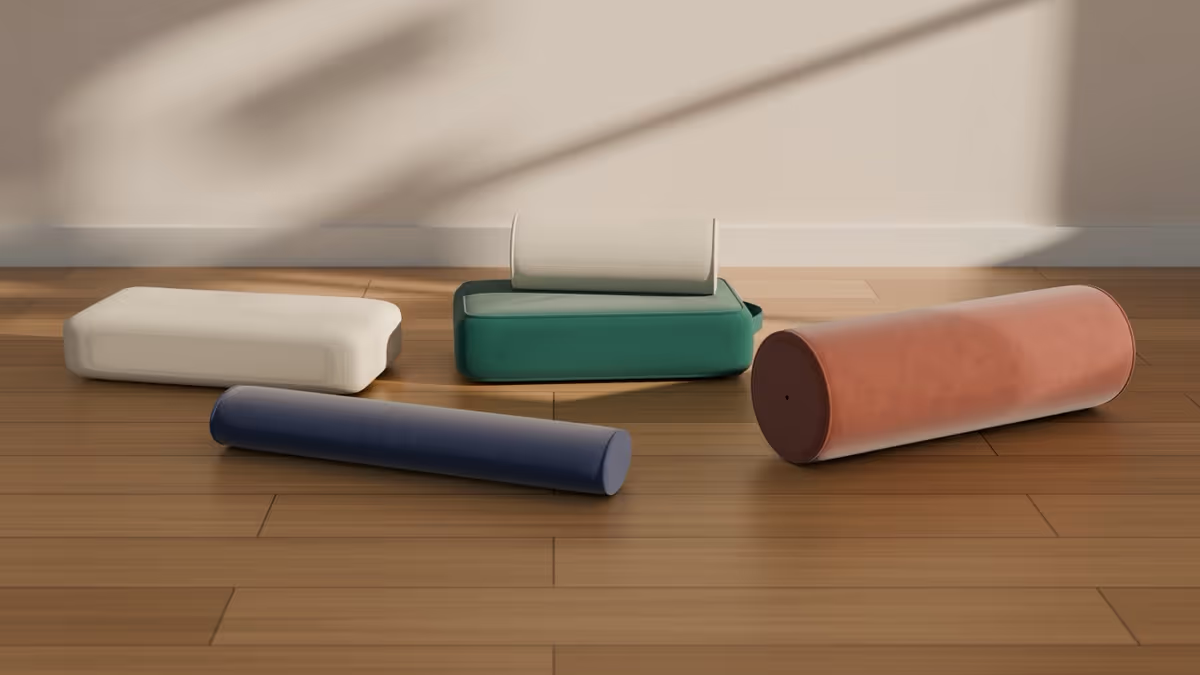
A yoga bolster is one of the most useful props for restorative yoga, Yin yoga, breathing practice and relaxation. It holds the body where it needs support, so the muscles can stop working, and it lets you stay in a pose for minutes without forcing a stretch.
But bolsters are not all alike, so the best yoga bolster for you depends on what you will use it for. Some are wide and rectangular, some are cylindrical, and some are made for one job, such as breathing practice. What is inside matters too: the filling decides how firm a bolster feels and how heavy it is to carry.
So which one should you buy?
Rather than comparing five products that do the same thing, this guide looks at five different bolster designs, what each one is for, and the details worth checking before you buy. One thing to know first: most LA studios that teach restorative or Yin keep a wall of bolsters to borrow, so a class is the cheapest way to find out which shape you reach for. A class also puts a teacher beside you, which is how the National Center for Complementary and Integrative Health at the NIH recommends practising: “under the guidance of a qualified instructor.”
What is a yoga bolster?
A yoga bolster is a firm, densely filled cushion, usually 24 to 28 inches long and rectangular or round, that you lie, sit or lean on so the body is held rather than holding itself. Filled with cotton, fiber, buckwheat or foam, it supports the back, hips, knees or chest in restorative, Yin and breathing practice.
Restorative yoga is built on exactly that kind of support. In a University of California, San Francisco trial of restorative yoga (Corey and colleagues, 2014), the researchers describe the practice as using “props and supported poses that are held for extended periods of time”, and the home-practice kit they gave participants included a bolster, blankets and an eye pillow.
1. Rectangular yoga bolster: best all-around choice
Our first recommendation if you are buying one bolster.
The rectangular bolster is the most versatile design, and the one most studios stock.
Its flat top gives a stable base for a wide range of restorative and Yin poses. Unlike a round bolster it does not roll, so the support stays where you put it.
Best for:
- Supported Child’s Pose
- Reclined Bound Angle Pose (Supta Baddha Konasana)
- Supported forward folds
- Legs-Up-the-Wall variations
- Supported Savasana
- Raising the hips for seated practice
It can also go under the knees, across the back or along the spine, depending on the pose.
Our pick: Hugger Mugger Standard Yoga Bolster
A traditional studio-style bolster: a foam core wrapped in cotton batting inside a tight cotton cover, with a handle at each end. Hugger Mugger lists it at 25 × 11 × 6 inches and 5 lb, and makes it by hand in the USA. The one thing to know: Hugger Mugger says the cover should stay on and the bolster is spot-clean or dry-clean only.
Alternative: Manduka eQua Rectangular Bolster
Longer and lower than the Hugger Mugger, at 28 × 11.75 × 5 inches, and less than half the weight, 2.2 lb, because it is filled with fiber rather than cotton. Manduka describes the fill as 30% recycled fiber, under an eQua microfiber cover made to be washed. The better choice if you carry your bolster to class, or if you want a cover you can wash.
2. Round yoga bolster: best for chest opening and backbends
A round bolster is a cylinder, so it gives a higher, curved surface.
It is most useful for supported backbends and chest openers. Laid lengthwise under the spine, it lifts the chest and lets the shoulders fall open. The curve also suits the knees, the ankles, or anywhere a rounded support feels more natural than a flat one.
Best for:
- Supported Fish Pose
- Reclined chest openers
- Gentle supported backbends
- Supported Savasana, under the knees
- Opening the shoulders and chest
One thing to weigh: a round bolster can roll, so it is less stable than a rectangular one when you sit on it.
Our pick: Manduka eQua Round Bolster
Manduka lists it at 27 × 9 × 9 inches and 2.34 lb, filled with 30% recycled fiber under an eQua microfiber cover. Manduka describes it for gentle backbends and chest opening, and for support under the neck or knees.
Round bolsters differ in height, so check the diameter before you buy. The Canadian maker b,halfmoon, for example, makes its cotton cylindrical bolster 8 inches across, with a removable cotton cover, near Vancouver.
3. Pranayama yoga bolster: best for breathing practice
A pranayama bolster is a narrower, more specialised design, made mainly for breathing practice and gentle chest opening.
It is long and slim, so it runs the length of the spine without lifting you as high as a full-size round bolster. Lying on it gently raises the chest and ribs, which makes room for an easy breath.
Best for:
- Supported breathing exercises
- Reclined chest opening
- Gentle shoulder opening
- Restorative breathing practice
- Supported Reclined Bound Angle Pose
Unlike a rectangular bolster, it is too narrow to sit on or to support the whole torso.
Our pick: Hugger Mugger Pranayama Yoga Bolster
A traditional narrow bolster, 25 × 6 × 4 inches and 2.7 lb by Hugger Mugger’s listing, with cotton batting in a cotton cover and a handle at each end. Like the Standard, it is spot-clean or dry-clean only.
4. Mini yoga bolster: best for targeted support and travel
A mini bolster is a smaller version of a full-size one, round or rectangular depending on the maker.
Because it is small, it is easy to move and useful when you need support in one place rather than under the whole torso: the neck, the knees, the ankles or the lower back, depending on its size and firmness. Some small bolsters are filled with buckwheat hulls, which shift to fit the body.
Best for:
- Meditation and seated support, depending on the shape
- Targeted support under the knees or ankles
- Supporting the neck
- Small adjustments in restorative poses
- Travel and small home setups
A mini bolster does not replace a full-size one. Its small surface limits the poses where it can support the whole body.
Our pick: Gayo Organic Cotton Travel-Size Yoga Bolster
A firm rectangular bolster listed at 18 × 11 × 6.5 inches, 7 to 10 inches shorter than the full-size bolsters on this page, made with certified organic cotton. Its listing includes a cotton bag to carry it to class and a removable cover that goes in the wash, plus a spare patterned cover.
5. Buckwheat-filled yoga bolster: best for adjustable, grounded support
This one is defined by its filling, not its shape: buckwheat bolsters come rectangular, round and small.
Buckwheat hulls shift and settle around the body, so the support takes your shape. A buckwheat bolster is heavier than a fiber-filled one and feels more substantial, and some let you add or remove hulls to change the firmness and height.
Best for:
- Seated meditation
- Yin yoga
- Supported seated postures
- Targeted support
- Anyone who likes a firm, grounded cushion
The main drawback is weight. A buckwheat bolster can be much heavier than a fiber-filled one, which makes it awkward to carry to class or to move around often.
Our pick: FelizMax Organic Buckwheat Bolster
A rectangular bolster listed at 24 × 10.5 × 5.5 inches, filled with buckwheat hulls under an organic cotton cover, with a carry handle. Its listing describes a zipper for adding or removing hulls and a cover that machine-washes in cold water. Whichever buckwheat bolster you choose, look for both of those.
How to use a yoga bolster
The rule is to let your weight sink into it. If you notice yourself holding on, move it or lower it. Seven common ways to use one:
- Lengthwise under the spine for a chest opener, as in Supported Fish.
- Under the torso in a supported Child’s Pose, with the head turned to one side.
- Under the knees in Savasana, which takes the strain off the lower back.
- Under the back and head, angled up from the hips, in Reclined Bound Angle.
- Under the hips to sit higher, so cross-legged sitting and meditation are easier on the knees and back.
- Under the sacrum in a supported Legs-Up-the-Wall.
- Across the thighs in a seated forward fold, so the chest can rest on it.
What’s inside a yoga bolster? The fillings compared
Shape decides how a bolster supports you. The filling decides how it feels.
| Filling | Feel | Main advantage | Trade-off |
|---|---|---|---|
| Cotton batting | Firm and dense | Classic studio-style support | Heavier |
| Polyester fiber | Soft to medium-firm | Light and affordable | Can compress over time |
| Buckwheat hulls | Firm and adaptable | Shapes itself to the body | Heavy |
| Foam core | Structured and resilient | Keeps a consistent shape | Not adjustable |
| Kapok | Light and springy | A natural alternative to synthetic fiber | Firmness varies |
The picks above show the difference in numbers: the cotton-and-foam Hugger Mugger Standard is 5 lb, the fiber-filled Manduka eQua Rectangular 2.2 lb.
Cotton batting. The traditional filling in restorative studios. Firm, substantial and grounded.
Polyester fiber. Common in lighter and cheaper bolsters. It feels softer and more cushioned, and can lose some volume with heavy use.
Buckwheat hulls. A natural filling that moves to fit the body’s contours, especially popular in meditation cushions and small bolsters.
Foam. A foam core gives a structured feel and keeps its shape without the weight of densely packed cotton. It is often wrapped in cotton, as in the Hugger Mugger Standard.
Kapok. A light, springy plant fiber. Worth a look if you want a natural filling without the weight of cotton or buckwheat. Lotuscrafts, for one, fills its rectangular bolsters with kapok.
Why a removable, washable cover matters
This is the detail we would check hardest before buying.
A bolster sits against your face, skin and clothes, and in a studio it is shared by many people a day. A cover that comes off and goes in the wash keeps it fresh far more easily than one you can only spot-clean. A light-coloured cover shows marks sooner, which makes washability matter more.
The bolsters on this page cover both cases. Manduka sells its eQua bolster covers separately and makes them to be washed. Hugger Mugger says its cotton bolsters are spot-clean or dry-clean only, and that the tight cover, which is part of what makes them firm, should stay on.
Studios that share bolsters all day have a third option: a cover you wipe down. Bean Products, for one, makes an extra-firm bolster, a foam core wrapped in cotton batting, with an easy-care vinyl cover, in round, rectangular and pranayama shapes.
Look for:
- A removable cover with a sturdy zipper
- Machine-washable fabric, if possible
- Durable cotton or another breathable fabric
- An inner case around the filling
- A carry handle
- A zipped filling compartment, if you want to adjust the firmness
Not every removable cover is machine-washable, so read the care label before you buy. For studio use, a washable cover is worth paying for.
Which yoga bolster should you buy?
If you buy one, start with a standard rectangular bolster. It is the most versatile, works in most restorative and Yin poses, and its flat top gives stable support under the torso, the hips, the legs and the back.
If you already own a rectangular bolster, add a round one. The two shapes complement each other, and the round one does what the flat one cannot for chest opening and supported backbends.
| Your priority | Best choice |
|---|---|
| One versatile bolster | Rectangular |
| Chest opening and backbends | Round |
| Pranayama and breathing | Narrow pranayama |
| Travel and targeted support | Mini |
| Adjustable, grounded support | Buckwheat-filled |
On size, most full-size bolsters run 24 to 28 inches long. The rectangular picks here are 5 to 6 inches high and the round one 9, which is why round gives the deeper chest opening.
On price, the Manduka and Hugger Mugger bolsters in this guide cost $75 to $114 on the makers’ own sites, read on 13 November 2026: Manduka’s eQua Rectangular $75 to $82 and eQua Round $86, Hugger Mugger’s Pranayama $78 and its Standard $114.
For the rest of a home kit, our home yoga props guide covers the block, strap, blanket, cushion and eye pillow, our yoga blocks guide compares foam and cork blocks, and the beginner equipment checklist says what to bring to class and what the studio lends.
Final thoughts
A bolster looks like a simple cushion, but the right one changes how comfortable restorative and supported yoga feel.
Choose the shape first, the filling second and the brand last.
For most people, a good rectangular bolster with a firm filling is the right start, and a washable cover is worth having if you can get one. A round bolster is a good second, for deeper chest opening, and a pranayama bolster is a specialist tool for breathing practice.
You do not need five bolsters to practise well. One well-chosen bolster can last for years. The best prop is the one that supports you enough to soften, let go of effort you do not need, and rest.
Studios to explore
 Featured Sound bath
CEREMNY
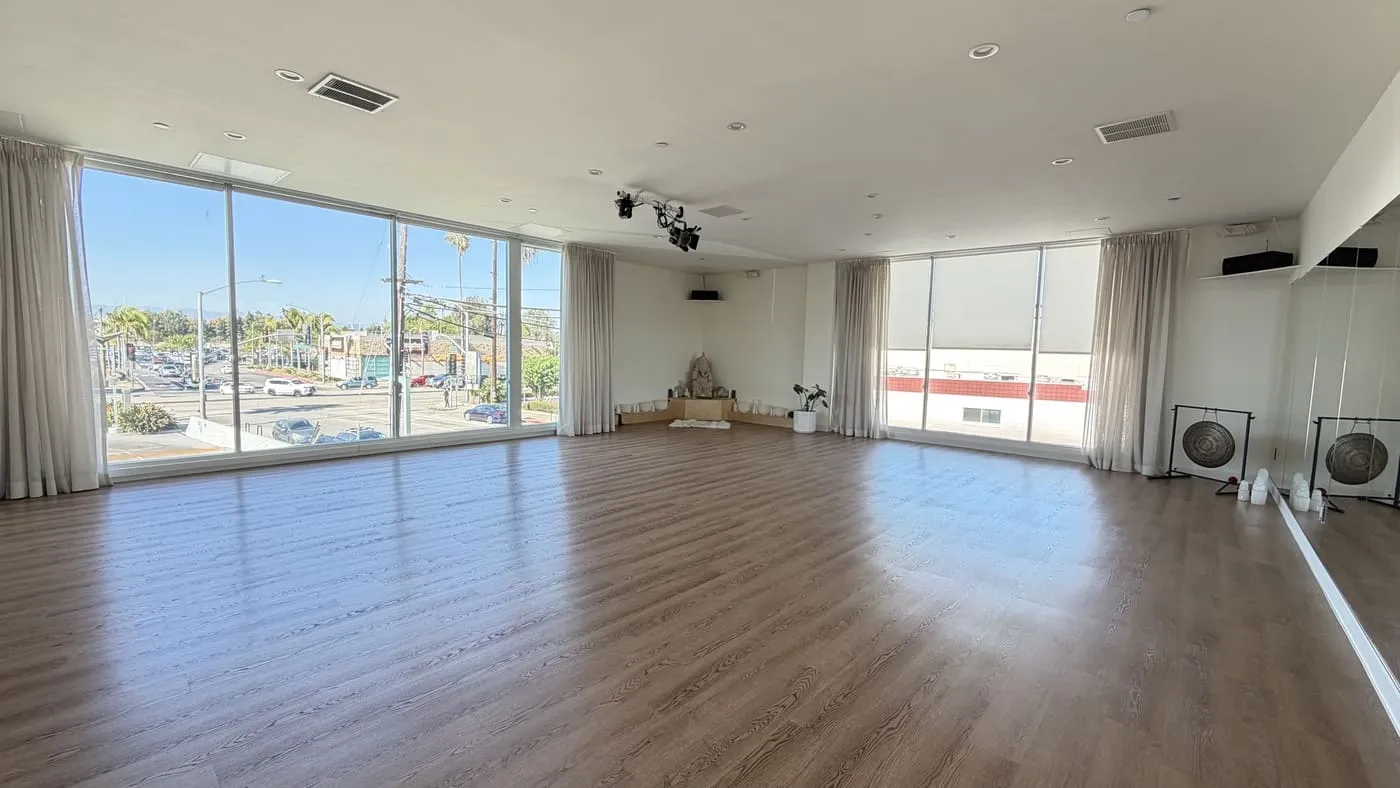
A thoughtfully curated, multidimensional wellness space where movement becomes a gateway to deeper self-discovery. CEREMNY brings yoga, sound healing, breathwork, and somatic practices together with immersive workshops and transformative learning experiences, inviting you to explore not only how you move, but how you feel, connect, and grow. With its beautifully designed light-filled and intimate studios, the space balances physical practice with stillness, soulful exploration, and meaningful community. More than a place to take a class, CEREMNY is an invitation to reconnect with yourself and experience wellness in a deeper, more expansive way.
 Hot yoga
Veda Yoga Culver City
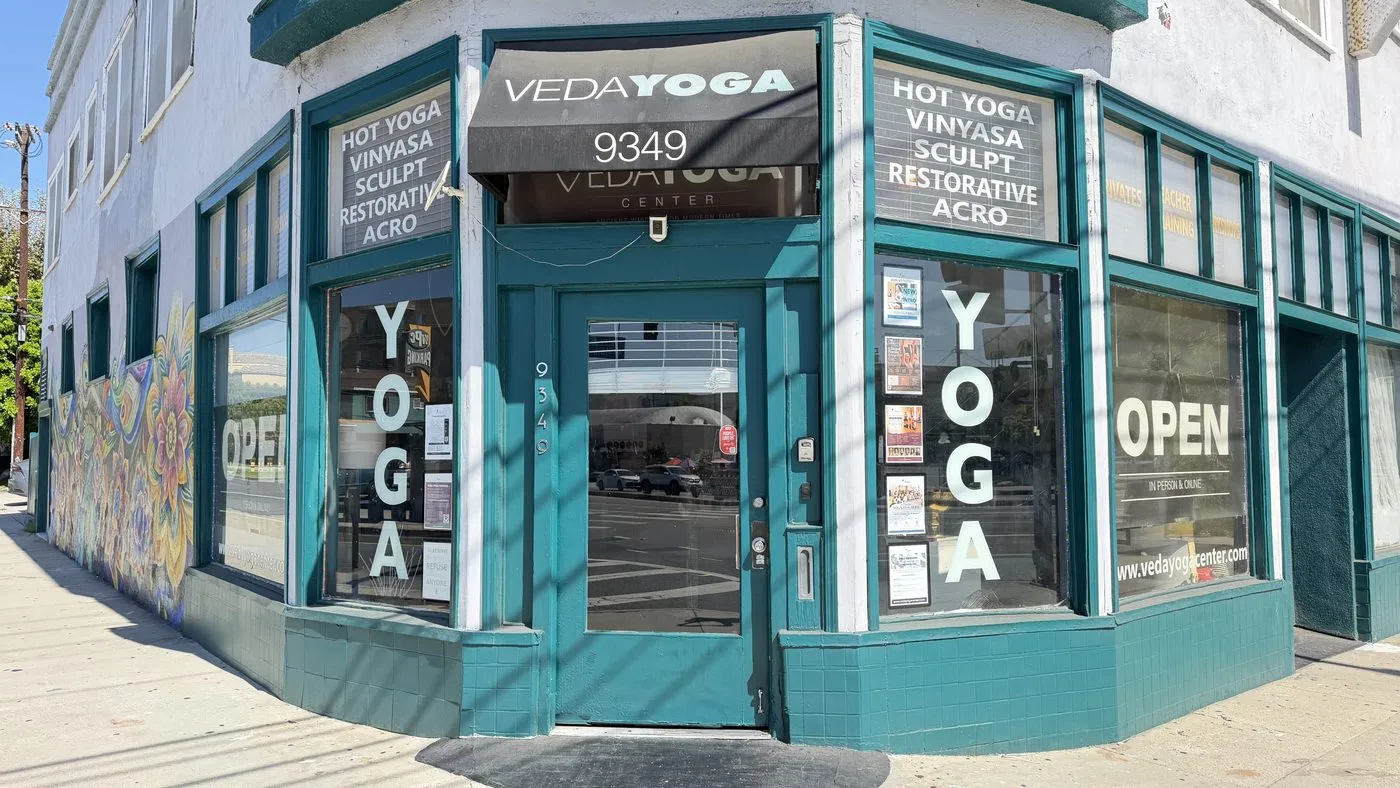
More than a yoga studio, Veda Yoga Venice is a home for a devoted community of practitioners who return not just for the practice, but for the connection they find here. The original Veda location, this beloved space carries a special kind of energy, warm, vibrant, and deeply alive. At its heart is Kumi, whose magnetic presence and genuine passion bring people together and make newcomers feel part of something meaningful. Here, yoga becomes more than movement: a shared ritual, a lasting connection, and a community that grows stronger with every practice.
 Sound bath
Yoga Nest Venice
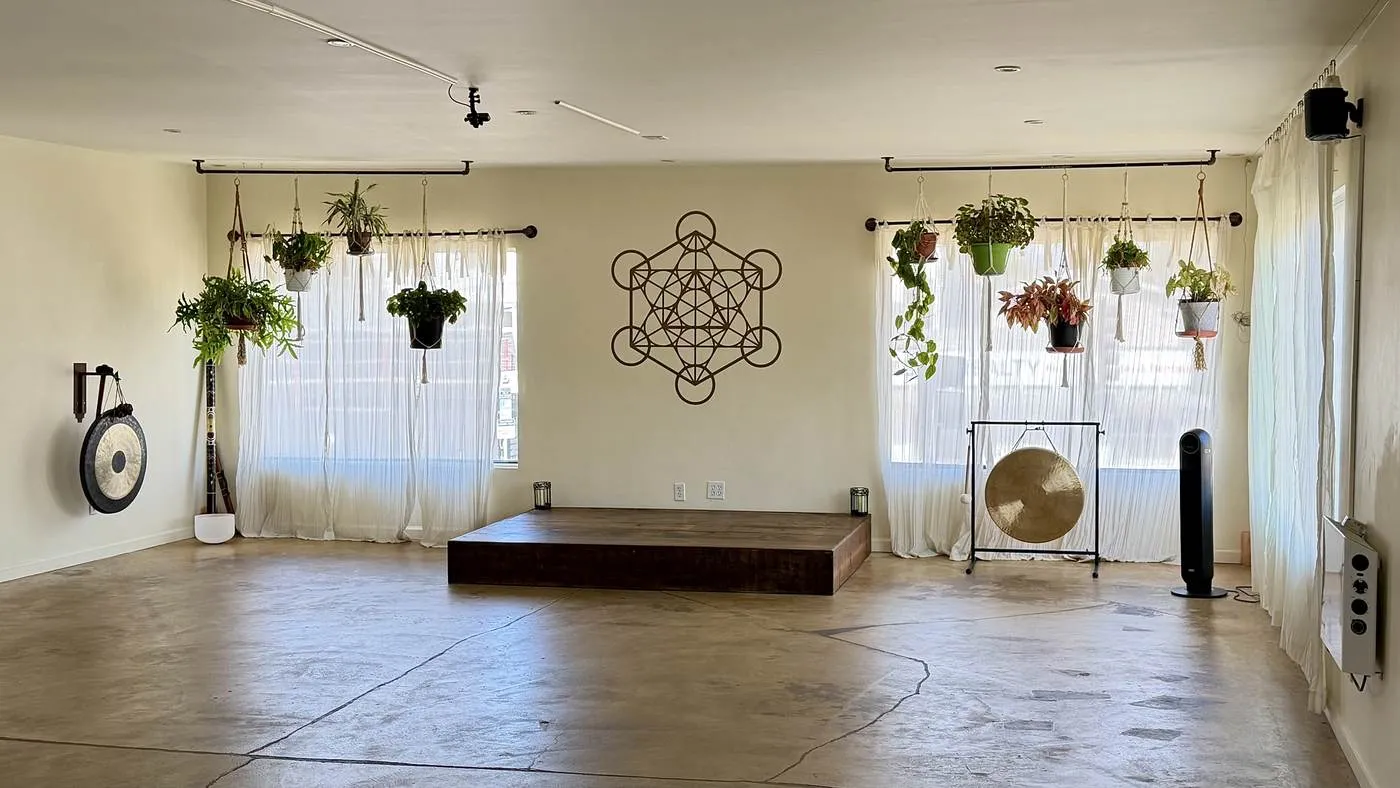
An eclectic, light-filled studio known for candlelit yin, immersive sound baths, and a magical community feel. Offering everything from energizing Vinyasa and Ashtanga flows to gentle yoga, meditation, breathwork, and restorative practices, Yoga Nest creates space for both movement and deep rest. With a welcoming, inclusive spirit and a vibrant calendar of workshops and special events, it’s a place to explore new practices, reconnect with yourself, and find a sense of belonging in the heart of Venice.
 Sculpt
shefayoga Venice
Rooted in abundance and built around community, Shefa Yoga Venice is a vibrant, welcoming home for movement, discovery, and connection. With heated and unheated studios, an expansive schedule, and teachers who bring their own distinctive voices and traditions to the mat, the practice here is anything but one-size-fits-all. Explore dynamic Vinyasa, traditional 26&2, Rocket, restorative practices, meditation, and sound experiences, or simply linger over tea and connect with fellow practitioners. Just blocks from the beach, Shefa is a place to grow your practice, find your people, and experience yoga in all its many forms.
 Meditation
Open Venice
Open Venice is the physical studio of Open, a meditation and breathwork app that brings mindfulness and wellness into everyday life. The studio offers a curated mix of movement and relaxation classes, including Flow, Align, Tone, Power Tone, Breath + Sound and Restore, with sessions throughout the day. Guests can also book 30-minute Hot + Cold sauna sessions. Mats, sweat towels and eye masks are provided, creating a welcoming space to move, recharge and unwind.
Boheme Yoga
A tidy DTLA studio with hot classes, live-music sessions and restorative practice in the Historic Core.
Frequently asked questions
What is the best yoga bolster for beginners?
A standard rectangular bolster. It has a flat, stable top that does not roll, so it works under the torso, the hips, the knees or the legs, and it covers most of what a restorative or Yin class will ask of a bolster. Borrow one at a studio first if you can, to find out how firm you like it.
Should I get a round or a rectangular bolster?
Rectangular first, for most people. It is the more versatile shape and the more stable one to sit on. A round bolster lifts the chest higher along the spine, which suits supported backbends and chest openers, but it can roll, so it is the better second bolster than the better first one.
What is a pranayama bolster?
A long, narrow, low bolster made to lie along the spine for breathing practice. It lifts the chest and ribs less than a full-size bolster, so the opening is gentler. It is too narrow to sit on or to support the whole torso, so it is a specialist prop, not a first one.
Is a buckwheat bolster better than a cotton one?
Different, not better. Buckwheat hulls shift to fit the body and, on bolsters with a zip inner case, can be added or removed to change the height. They are also heavy. Cotton batting is firm, holds its shape and gives the classic studio feel.
Can you wash a yoga bolster?
Usually only the cover, and only if it comes off. Manduka sells its eQua bolster covers separately and makes them to be washed. Hugger Mugger says its cotton bolsters are spot-clean or dry-clean only and that the tight-fitting cover should stay on. Read the care label before you buy if you plan to wash it.
Do I need a bolster to do restorative yoga at home?
No. A firm sofa cushion or two tightly rolled blankets will do for most poses while you find out how much you use one. Buy a bolster when you notice you keep building one out of blankets.