Guide
Does Yoga Help You Lose Weight? An Honest Answer
Yes, yoga can be part of losing weight, but not for the reason most articles give. Here's what's actually happening in the room, why the calorie figures online aren't measurements, and how to read an LA schedule for the harder classes.
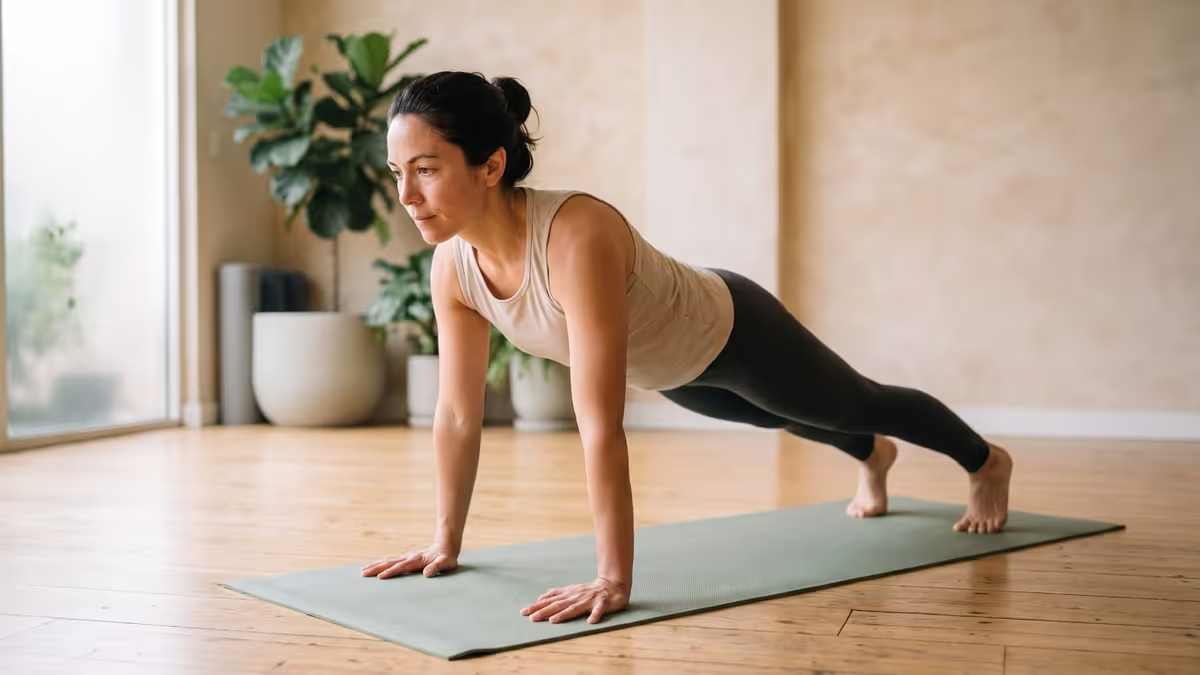
Yes, yoga can be part of losing weight. But probably not for the reason you’ve been told: it isn’t because yoga burns a lot of calories, because in most rooms it doesn’t. It helps because it’s the kind of exercise people keep doing for years, and because it slowly changes how you relate to effort, hunger and stress.
Before you read any further, here’s what this page won’t do. No calorie targets. No meal plans. No goal weight. No before-and-after photos, and no promise about a number on a scale. Weight is one measure of health, and on its own it’s a poor one. What we can do is tell you what’s actually happening in a yoga room, which classes on an LA schedule are the demanding ones, and where the usual advice goes wrong.
The honest short answer
Most yoga is light-to-moderate exercise. A slow flow, a hatha class, a yin class: none of these are cardio, and they aren’t trying to be. Power, sculpt and some heated classes ask considerably more of you, and those rooms are a real workout by any reasonable definition.
But even the hard rooms aren’t calorie furnaces. If your only metric is calories burned per hour, brisk walking beats most yoga classes and cycling beats it comfortably. We’d rather say that out loud than let you find out later.
So what does yoga actually add? Three things. It builds strength you’ll keep. It scales down on the days you’re tired instead of breaking you, which is why you’re still practising in month eleven when the punishing plan is long gone. And it makes you slower and more attentive, which quietly changes how you eat and how you carry stress in a way that no single workout does. If you want the wider picture of what the practice does and doesn’t do, the benefits of yoga covers the whole ledger. This page stays on the weight question.
What yoga is actually doing while you practice
Strip away the vocabulary and a yoga class is you holding your own bodyweight in a series of positions. Chair, plank, warrior, side plank, low push-up. Your legs, core and shoulders do most of the work, and over months that’s a genuine strength stimulus, especially if you’ve never trained. Yoga for strength goes into that half properly.
Your heart rate does something different depending on the room. A flowing class raises it in waves: up through a standing sequence, down on the floor, up again. A power class holds it higher for longer. A slow or restorative class barely raises it at all, and that’s the point of those classes; they’re doing something else entirely.
This is the part most articles skip. “Yoga” is not one activity. A 90-minute restorative class and a 60-minute sculpt class share a word and almost nothing else. Any claim about what yoga does to your body is meaningless until you say which room you’re standing in.
Why the calorie numbers online are estimates, not measurements
You’ve seen the figures. Yoga burns this many calories an hour, hot yoga burns that many. Here’s what’s behind them.
Almost none of those numbers were measured in a yoga studio. They’re derived from general activity tables, a rough intensity value assigned to a category of movement, multiplied by a body weight. The table doesn’t know your teacher, your sequence, or that you spent four minutes in child’s pose. It’s an average of an average.
Your watch isn’t much better. Wrist-based trackers estimate energy expenditure largely from heart rate and motion, and both signals get strange during yoga. Long static holds look like rest to a device even when your legs are shaking. Floor work confuses the motion sensor. Pressing a forearm into a mat can distort the heart-rate reading outright.
And the variance between two classes with the same name on the same schedule is enormous. One teacher gives you thirty seconds of rest between sequences; another gives none. One builds slowly to a peak pose; another runs a continuous flow for fifty minutes. Same 60 minutes, same studio, very different day.
The practical conclusion: treat any specific calorie figure as a rough shape, not a budget. If you’re making decisions based on the difference between 200 and 400, you’re building on sand. This is also why you won’t find a calorie table on this page. We’d have to invent it or launder someone else’s estimate, and neither is worth your trust.
The thing that actually moves the needle: showing up for years
Here’s the reframe that matters. For anything that changes body composition, consistency beats intensity, and it isn’t close.
Two classes a week that you actually attend, for three years, will do more than a six-day plan you abandon in March. That’s not a motivational line, it’s just arithmetic. And this is where yoga’s real advantage sits: it’s low-barrier, scalable to whatever you can do on the day, and pleasant enough that people come back. You can get hurt in a yoga class, and people do. But it asks less of your joints than most things that raise your heart rate, which is a large part of why people are still practising a year later.
Which means the useful question isn’t “does yoga burn enough calories.” It’s “will I still be doing this next year.” If the answer is yes, yoga is doing something a more efficient workout you hate cannot. Building a daily practice is about exactly that problem, which is how to make it a habit rather than a project.
How to find the harder classes on an LA studio schedule
If you want the demanding rooms, you have to be able to read a schedule. Studio class names look interchangeable and aren’t. Here’s the vocabulary.
A few notes on the words themselves:
- Power means a vigorous, continuous vinyasa class with little standing around. It’s the most reliable “this will be hard” label on a schedule. In our directory, Sweat Yoga in Santa Monica is the studio that lists power as a core part of what it teaches.
- Sculpt is the one people misread. It’s yoga shapes plus light hand weights and short cardio intervals, usually to music, often in a warm room. It is closer to a group fitness class than to a traditional yoga class, and it’s the most physically demanding thing on most LA schedules. Hot 8 Yoga Santa Monica, Veda Yoga, shefayoga Venice and CorePower Yoga Downtown LA all run it.
- Flow 2, Level 2, C2 mean the sequences are longer and faster and the teacher will cue less. Harder, but harder in a skill sense as well as an effort sense.
- Hatha, slow flow, gentle, yin, restorative are deliberately unhurried. They’re not easier versions of a hard class; they’re a different practice.
- “All levels” is the least informative label on any schedule. It describes who’s welcome, not how hard the class is. An all-levels power class is still a power class.
The studio’s name is not part of that vocabulary, and this trips people up. Power Yoga East in Santa Monica has “power” on the sign and teaches slow flow and breath-centered classes. Read the schedule, not the sign.
When in doubt, call the studio and ask which class on the schedule is the hardest. Front desks answer this question all day. You can also browse the studio directory and filter by style and neighborhood to see what’s actually near you.
Hot yoga, sweat, and the number on the scale
This is the misreading worth correcting, because it sends people in exactly the wrong direction.
You weigh less right after a hot class. That is water. You sweated it out, and you get it back the moment you rehydrate, which you should, promptly. Sweat is your body regulating its temperature. It is not a measure of how hard you worked and it is not fat leaving your body.
Heated classes can absolutely be a good workout. Hot yoga rooms in LA run everything from slow hatha to brutal sculpt. But when a heated class is demanding, it’s demanding because of what you’re doing in it, not because of the thermostat. If you want the full comparison between the heated and unheated versions of a flow class, hot yoga vs vinyasa covers it.
Two practical things. Drink water before, during and after. A heated class asks more of your hydration than you’d guess. And don’t weigh yourself after class. That reading tells you about fluid, nothing else, and treating it as progress sets you up to chase dehydration.
Yoga plus everything else
The most useful way to think about yoga is as one part of a week rather than a replacement for everything else.
If you currently do nothing, a realistic start looks like two yoga classes a week plus walking on most days. That’s it. It’s unglamorous, it’s achievable, and it’s a genuine change from zero. Add more later if you want to, from a base you’ve already proved you can hold.
If you already lift or run, yoga slots in alongside as the thing that keeps you mobile and gives your nervous system a lower gear. It isn’t a substitute for either.
And here’s the answer almost nobody gives: if yoga is the only exercise you will genuinely keep doing, then yoga alone is a legitimate choice. An imperfect plan you follow beats an optimal plan you don’t. That’s true even though walking burns more per hour, and true even though lifting builds more strength.
What we’re not going to tell you
Some deliberate omissions, and why.
No calorie targets, and no goal weight. We don’t know your body, your health, or your history, and a directory has no business assigning you a number.
No “best poses to burn belly fat.” Spot reduction isn’t a thing. You can’t choose where your body draws from, and any page that tells you a pose targets fat in a specific place is selling something.
No eating advice. This is the honest part: nutrition matters more than any exercise for changing weight, and it’s the area where bad advice does the most damage. That conversation belongs with a doctor or a registered dietitian, not with us.
And if you’re practising while managing a health condition, an injury, pregnancy, or a difficult relationship with food or your body, this page isn’t the right source. A professional who knows your situation is. Tell your teacher what’s going on before class so they can adapt, too, good LA teachers expect that conversation and welcome it.
Where to start in LA
If you’ve never been to a class, don’t start with sculpt. Start with something labelled beginner or all-levels flow and get comfortable in the room first. The best beginner yoga in LA guide walks through what a first class is like and where to take one.
When you’re ready for the harder rooms, they’re easy to find. Browse the studio directory by neighborhood and style, pick somewhere close enough that going is easy, and go twice a week for a couple of months. That’s the whole plan, and it’s more than most people manage.
Studios to explore
 Hot yoga
 Sweat Yoga Santa Monica
Candlelit, no-mirror hot yoga in downtown Santa Monica with a loyal, packed-room following.
CorePower Yoga Downtown LA
A central branch of the national chain with reliably heated classes and easy drop-in scheduling.
 Hot yoga
 Hot 8 Yoga Santa Monica
A polished hot-yoga studio with a deep class menu spanning yin, power, sculpt and barre fusion.
 Hot yoga
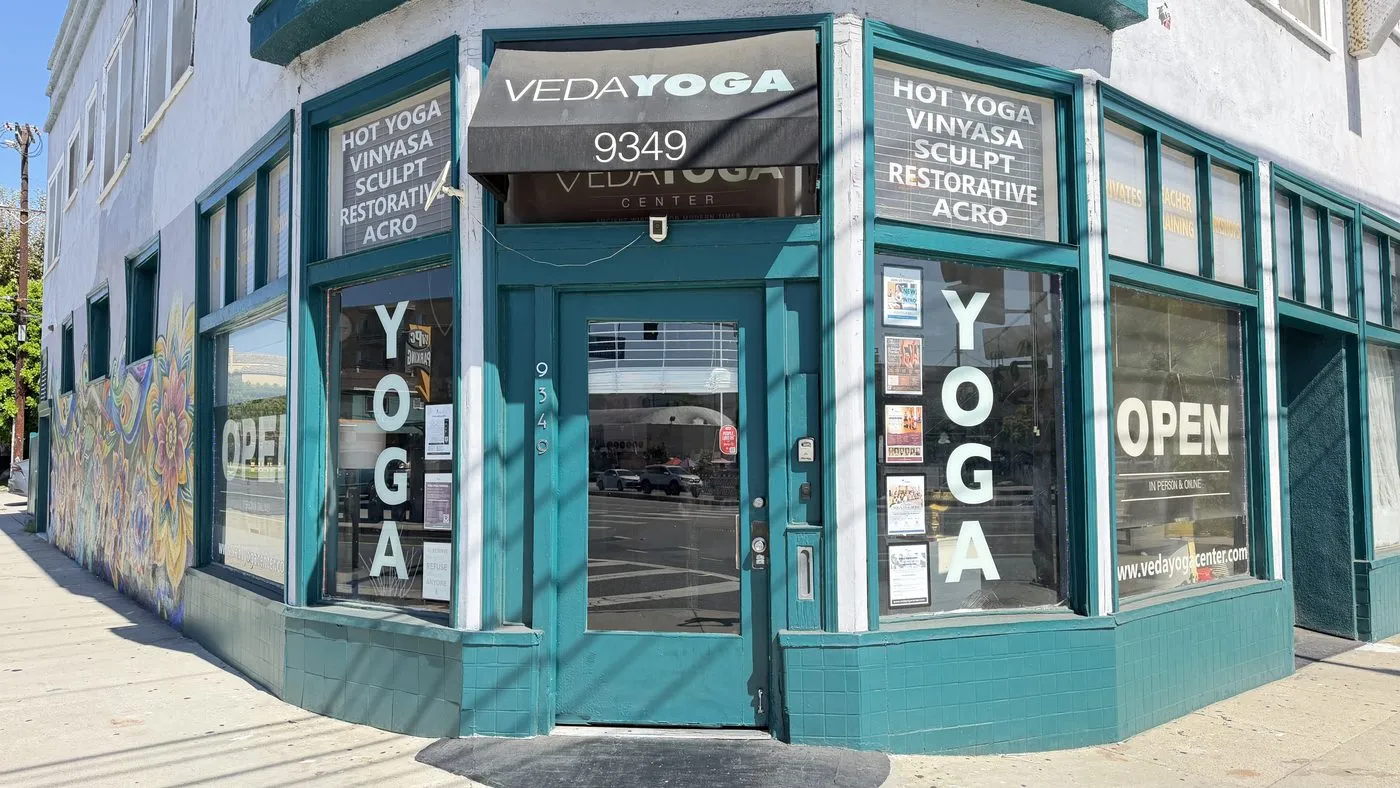
 Veda Yoga Culver City
A welcoming two-room studio with infrared heat, sculpt classes and immersion/teacher-training programs. Its own site and booking system call it Veda Yoga Venice, since it is on Venice Boulevard, but it is in Culver City; the second Veda room is on La Cienega.
 Sculpt
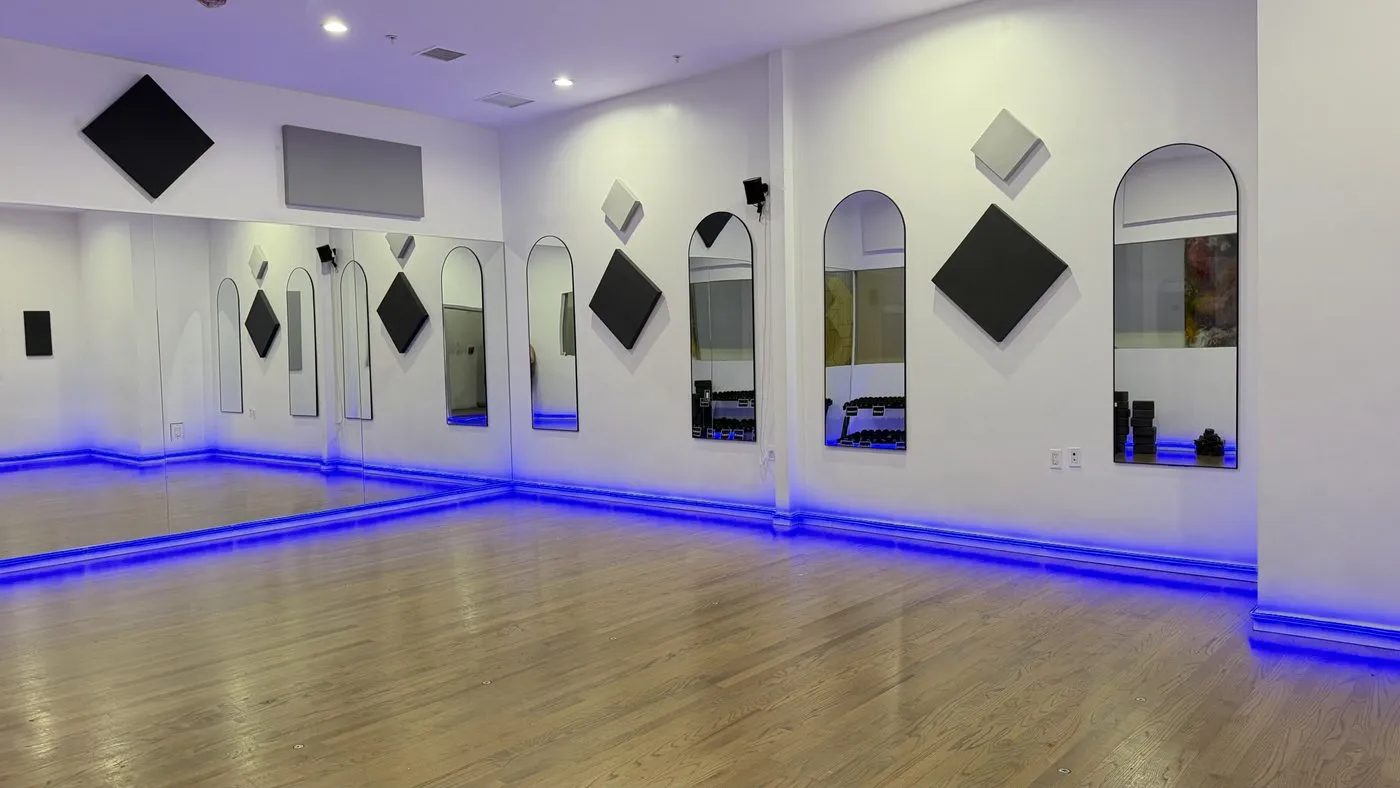
 shefayoga Venice
A beautiful Main Street studio with dharma-rich flows, sculpt, breathwork and reiki offerings.
 Meditation
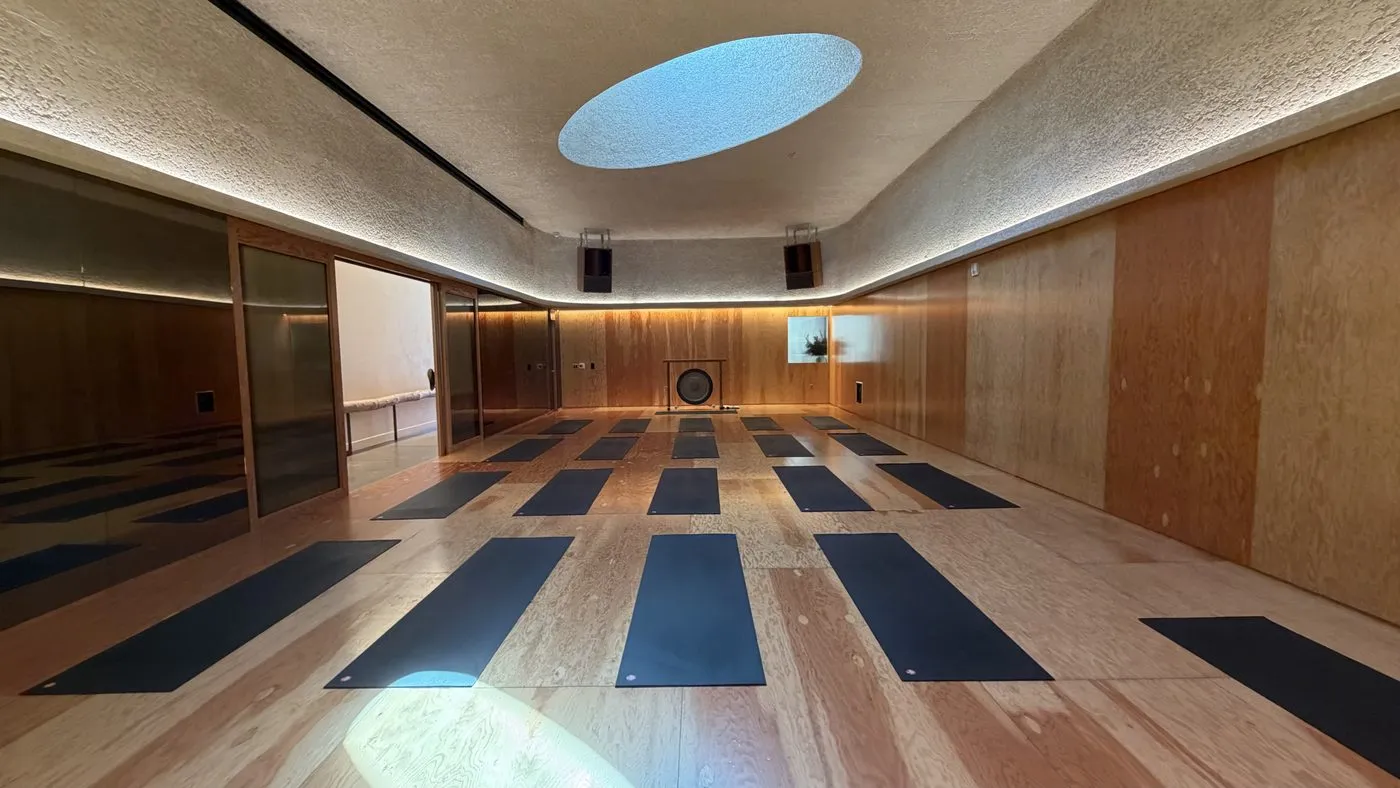
 Open Venice
Open Venice is the physical studio of Open, a meditation and breathwork app that brings mindfulness and wellness into everyday life. The studio offers a curated mix of movement and relaxation classes, including Flow, Align, Tone, Power Tone, Breath + Sound and Restore, with sessions throughout the day. Guests can also book 30-minute Hot + Cold sauna sessions. Mats, sweat towels and eye masks are provided, creating a welcoming space to move, recharge and unwind.
Frequently asked questions
Can you lose weight doing only yoga?
It's possible, and for some people it's the honest right answer, the exercise you'll actually keep doing beats the one you quit. But yoga is light-to-moderate work in most rooms, so if it's your only movement you're relying heavily on consistency and on everything else in your week. Adding walking costs nothing and helps a lot.
How many calories does yoga burn?
We're not going to give you a number, because the numbers circulating online aren't measurements. They come from general activity tables applied to a body weight, and the same 60-minute class varies enormously depending on the teacher, the sequence and how much you rest. Treat any specific figure as a rough shape, not a budget.
How often should I do yoga if I want to lose weight?
Often enough that it's a habit and rarely enough that you don't dread it. For most people starting out that lands around two or three classes a week. The frequency you can hold for a year matters more than the one that looks best on paper.
How long does it take to see results from yoga?
Strength, balance and how you feel in your body tend to change within a few weeks. Changes in body composition are slower and depend far more on your overall week, sleep, food, general activity, than on the yoga itself. If you need a specific timeline, that's a conversation for a doctor or a registered dietitian.
Is hot yoga better for weight loss?
The heat isn't why a heated class is a workout. Sweating is temperature regulation, and the weight you lose during class is water you regain when you drink. A heated power or sculpt class can be genuinely demanding, because of what you're doing, not because of the room temperature.
Is yoga or walking better for weight loss?
Per hour, brisk walking generally burns more than a typical yoga class, and it's free and easy to fit in. Yoga adds strength, mobility and a calmer relationship with effort that walking doesn't. They're not competing, the realistic answer for most people is both.