Guide
Retrospec Solana Yoga Mat: What You Get at the Price
One of the most-searched mats in the category, and it is much thicker than a yoga mat normally is. That makes it excellent at one kind of practice and a nuisance at another.
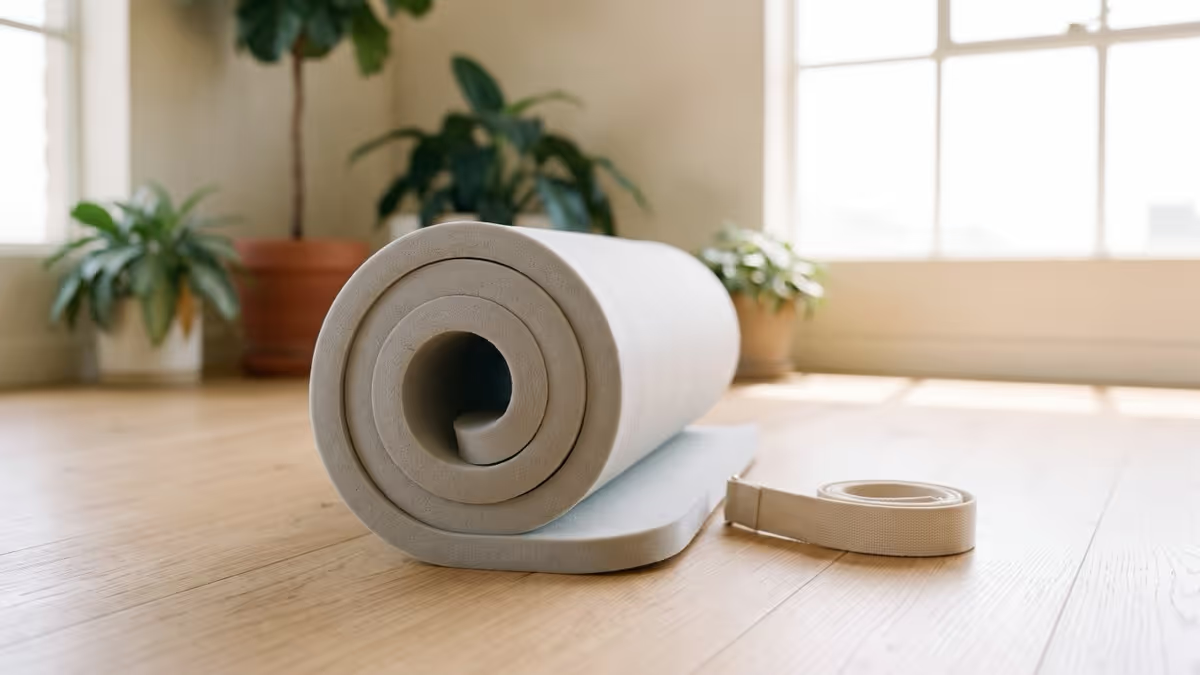
The Retrospec Solana is one of the most-searched yoga mats there is, and almost nothing written about it mentions the thing that decides whether you will like it.
It is 1/2 inch or 1 inch thick. A normal yoga mat is 4mm to 5mm. So the thin Solana is around three times a standard mat and the thick one is around five times. Everything good and everything frustrating about this mat follows from that one number.
That is not a criticism. It is a mat that is very good at something, and the something is not quite what the name suggests.
What it actually is
The specification, plainly:
- Thickness: 1/2 inch (about 13mm) or 1 inch (about 25mm)
- Size: 72 by 24 inches, which is longer than a standard mat
- Material: high-density NBR foam, closed-cell
- Free of: latex, phthalates
- Included: a carry strap, which you will want, because it is bulky
Notice how the retailers themselves file it. On the listings it is a yoga mat, a workout mat, a gym mat, a foam mat and a stretching mat, all in the same product title. The last three are the honest ones.
The thickness is the whole story
A mat’s thickness is a trade, not a feature, and the mat buying guide sets out the general version: every millimetre you add for your joints is stability you take away from your standing balance.
At 13mm to 25mm that trade stops being a nuance and becomes the character of the mat.
On the floor it is a genuine pleasure. Kneeling stops hurting. Your spine on a hard floor stops being the reason you cut a session short. Elbows and hip bones in side-lying shapes stop complaining. Most yoga mats treat this as a rounding error and this mat treats it as the point.
On your feet it fights you. Stand on one leg on 25mm of foam and your standing foot sinks slightly and then keeps correcting, all the way through the pose. Tree, warrior three, half moon, anything on one leg, all become harder in a way that has nothing to do with your balance improving. Even two-footed standing poses feel slightly soft underneath.
Retrospec is not hiding this. The thicker mat is sold on cushioning, and cushioning is exactly what it delivers.
NBR foam, and how it grips
NBR is nitrile butadiene rubber foam. It is not one of the five materials in our mat-care guide, because it belongs to the exercise-mat family rather than the yoga-mat one, but it behaves like the closed-cell members of that group.
Closed-cell means the surface sheds moisture rather than absorbing it. Two consequences follow, and they matter more than the marketing does:
- Dry grip is good. The textured surface holds well when your hands and feet are dry, which covers most home practice.
- Wet grip falls away. Sweat sits on top of a closed-cell surface, and a film of sweat on foam is slippery. The harder you work, the less it grips.
That is the same divide the buying guide describes between open-cell and closed-cell surfaces. The Solana is firmly on the closed-cell side, so it is a poor choice for hot yoga and a fine one for a gentle floor practice.
Underneath, the news is better than usual for a budget mat. It has enough weight and enough texture to stay put on a hard floor, which is a common failure at this price and not one you will have here.
Where it is genuinely the right mat
Not damning with faint praise. There are practices where this is a better buy than a mat costing several times as much.
- Restorative and yin. Long floor holds, no balance demands, and the extra padding is doing real work for the whole session.
- Anyone whose knees hurt. This is the clearest case. If kneeling is what stops you practising, this mat solves it directly and cheaply.
- Home practice on hardwood or tile. No studio floor to soften things, and nobody watching you wobble.
- Stretching, mobility and physio-style floor work. Much of which is not yoga at all, and all of which this mat suits.
- Pilates mat work, with the same caveat about standing.
- If you are tall. 72 inches is four inches longer than the usual 68, and finding that at this price is unusual. Our yoga for men guide notes how often taller beginners end up with hands or heels off the end of a mat.
- If latex is a problem. Natural rubber mats grip best and contain latex. The Solana is latex-free, which makes it a real option where the Jade Harmony is not.
Where it will work against you
- Vinyasa, power, and any standing-heavy class. The instability is constant rather than occasional.
- Hot yoga. Closed-cell plus sweat is the wrong combination, and a heated room will find it out inside ten minutes.
- Carrying it to a studio. It is bulky rolled, which is why the strap comes in the box. This is a mat that wants to live in one room.
- Studio classes generally. Most studios have thin mats and hard floors, and arriving with a rolled mattress marks you out more than it helps.
Against a standard mat
If you already own a normal 4mm or 5mm mat, the honest question is not which is better. It is whether you have the problem this one solves.
If your knees hurt in kneeling poses, try a folded blanket under them first. It is free, it fixes the two or three poses that hurt, and it leaves your standing poses alone. Plenty of people never need to go further than that.
If the blanket is not enough, or if almost all your practice is on the floor anyway, the Solana is a reasonable and inexpensive answer. Some people end up owning both and using the thick one for floor days, which is a perfectly sensible outcome and cheaper than one premium mat.
If you already own one
Plenty of people arrive at this page having bought it already, found it strange in standing poses, and assumed they had bought badly. They have not. There are three ways to make it work.
Split your practice by surface. Use it for the floor half of a session and step off it for the standing half, onto bare floor or a thin mat. Awkward for about a week, then automatic.
Use it as a prop rather than a mat. Folded once it is an excellent kneeling pad, a bolster substitute under the knees in a supine twist, and a support under the hips in seated poses. That is a genuinely useful object to own even if you never practise on it flat again.
Put a thin mat on top of it. This is the one people arrive at on their own. The foam handles the padding, the thin mat handles the grip and stability, and the combination is better in floor poses than either alone. It is bulky, so it suits a home practice and nothing else.
None of that is a workaround for a defect. A 1 inch foam mat is very good at what it is for, and the trick is to stop asking it to be a yoga mat and start using it as the cushion it is.
Caring for it
NBR foam is not in our five-material table, so here is the treatment, which follows the closed-cell rules:
- Wipe with a cloth wrung out in plain water after use.
- For a deeper clean, a trace of mild dish soap, then a second pass with plain water to lift the soap off. Leftover soap is what makes any mat slippery.
- Do not soak it and do not machine wash it. Foam takes water in at the cut edges and is slow to give it back.
- Dry it flat and completely before rolling. This is the single thing that decides how long a foam mat lasts.
- Store it rolled, not folded. Foam creases permanently.
The full method, and what destroys each material, is in the mat-care guide.
One honest expectation about lifespan: high-density foam is more durable than the cheap foam mats it sits near in price, but it is still foam. Expect the surface under your hands and knees to compress and eventually thin. That is normal wear rather than a fault, and the care guide has the list of signs that mean replacement rather than another clean.
What we can tell you, and what we cannot
We have not practised on this mat. Nobody here owns one, and we are not going to write a hands-on verdict we have not earned. Several sites do test mats, and if what you want is a tested ranking, they are the better source.
What is on this page is drawn from the manufacturer’s own specification, the retail listings, and what those numbers mean for practice, which is the part we do know something about. The thickness figures, the material and the dimensions are all published by Retrospec. The consequences for standing balance and for sweat are properties of thickness and of closed-cell foam, and hold for any mat built this way.
The one thing we would say without hesitation: buy it for the floor, not for your feet. People who buy this expecting a normal yoga mat are often disappointed, and the mat is not the reason. It is doing exactly what a 1 inch foam mat does.
If you are still deciding, the buying guide walks through the four decisions that pick any mat, and the studio directory is there when you want a room to take it to.
Studios to explore
Boheme Yoga
A tidy DTLA studio with hot classes, live-music sessions and restorative practice in the Historic Core.
 Pilates
 3 Wellness Home
A women-only wellness studio on Central Avenue running small-group classes (reformer Pilates, stretching and yoga), alongside EMS body-sculpt treatments and one-to-one sessions. The sculpt and Pilates side is clearly the draw; yoga is one item on a broader menu. The studio does not publish its street number on its own site, so the suite here comes from its booking listing.
 Flow
Flow Black Dog Yoga
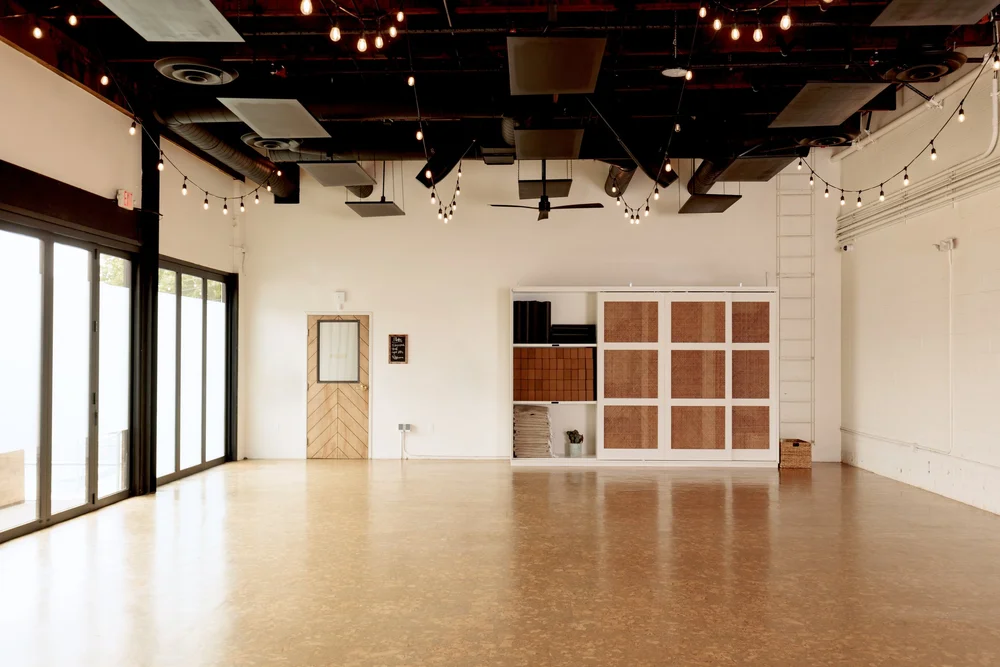
A long-running Studio City room on Moorpark, and one of the Valley's easier studios to walk into cold. The beginner classes are genuinely for beginners rather than a slower flow. Vinyasa across levels with restorative on the schedule, plus workshops and teacher training. Street-level, with the name on the awning so you cannot miss it.
 Flow
Flow CAMP LA
A fitness campus rather than a yoga studio: three studios on one Lincoln Boulevard site, for strength circuits, heated mat Pilates and yoga, opened in 2021 and part of CAMP, which also runs a campus in Tampa. The yoga room runs an all-levels Flow most days, a 75-minute Flow at weekends, Power Flow and Chill, and a gentler Restore; heated classes sit at about 88 to 92°F, and Restore runs at reduced heat. Park in the lot at 2723 Lincoln (in from Lincoln, out on Hill Street) or in the second lot across the street; a mat rents for $3.
 Flow
Flow Center For Yoga
The studio calls itself the longest continuously operating yoga room in Los Angeles, founded in 1967 and on Larchmont since 1969, in a 1925 building that was a Masonic temple and then a dance school. Nine formats run off one schedule, from a foundational level-one class and Iyengar through vinyasa, infrared hot flow, power sculpt, pilates and restorative.
 Sound bath
 CEREMNY
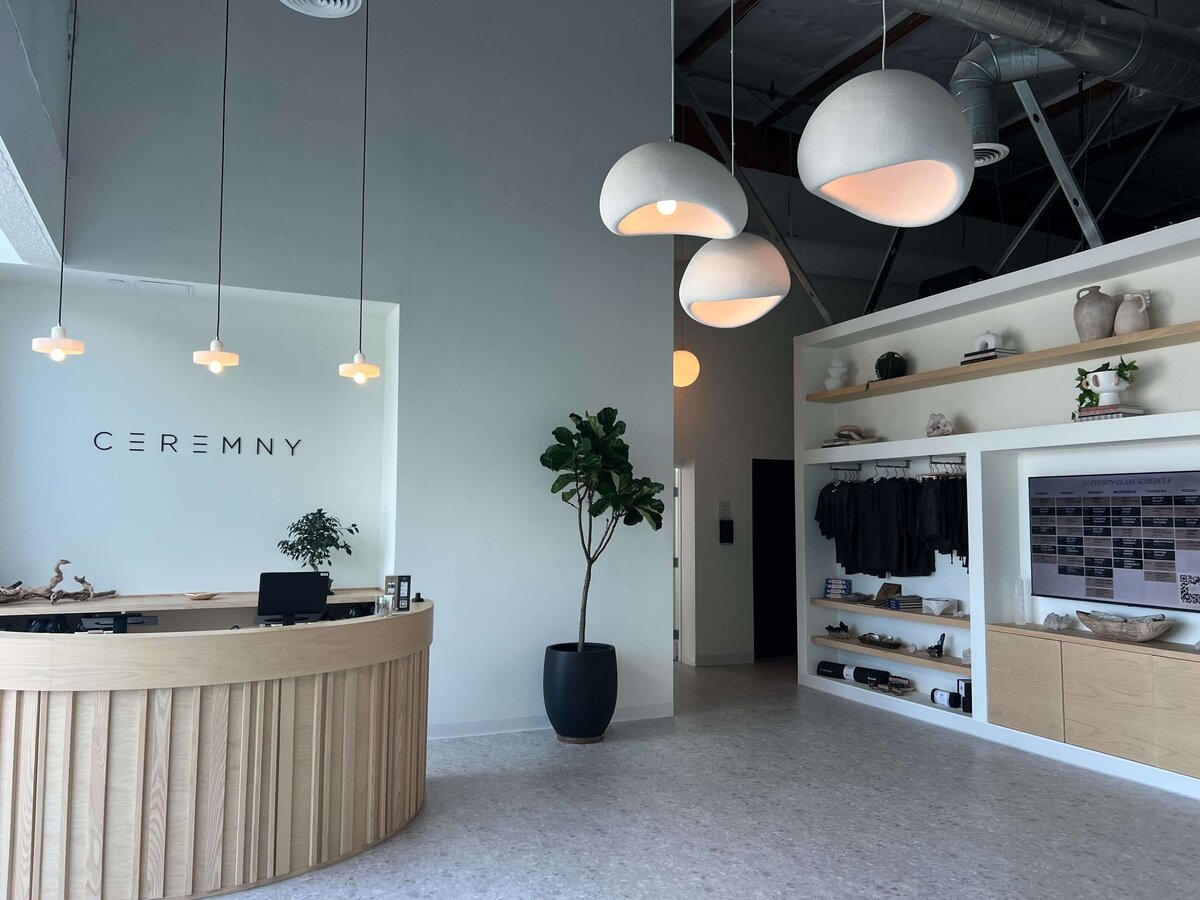
A first-floor Washington Blvd space that runs soul yoga and sound baths alongside somatic workshops, breathwork and a 200-hour teacher training. The schedule leans slow and guided rather than back-to-back drop-ins, and monthly immersive workshops are the centre of it, worth checking the calendar before you plan a first visit.
Frequently asked questions
Is the Retrospec Solana good for yoga?
For floor-based yoga, yes, and for kneeling it is better than most mats at any price. For standing yoga it works against you, because at 1/2 to 1 inch of foam your standing foot sinks and every balance becomes a correction. If your practice is mostly restorative, yin, stretching or physio-style floor work, it suits you well. If it is vinyasa or power, buy something thinner.
Should I get the 1/2 inch or the 1 inch Solana?
The 1/2 inch is the more versatile of the two and the one most people should choose. The 1 inch is a cushioning specialist: excellent under painful knees or a spine that dislikes a hard floor, and clearly unstable in standing poses. Buy the 1 inch only if joint comfort is the problem you are solving.
Is the Retrospec Solana good for hot yoga?
No. NBR foam is closed-cell, so sweat sits on the surface rather than soaking in, and grip falls away exactly as the class gets harder. That is a property of the material, not a fault in the mat. For hot practice you want an open-cell surface, or a mat towel laid over whatever you own.
Is the Retrospec Solana non-slip?
Underneath, yes. The mat is heavy enough and textured enough that it stays put on a hard floor, which is more than many budget mats manage. On top it grips well when your hands are dry and progressively less well as they get damp.
How do you clean a Retrospec Solana?
A cloth wrung out in plain water after each use, and a little mild dish soap for a deeper clean, followed by a plain-water pass to lift the soap off. Do not soak it and do not machine wash it. Foam holds water at the cut edges and takes a long time to give it back, so dry it flat and fully before rolling.
Is 1 inch too thick for a yoga mat?
For standing practice, yes. A normal yoga mat is 4mm to 5mm and the 1 inch Solana is about 25mm, so you are standing on five times the cushioning. It is not a defect, it is what the mat is for. Thickness that saves your knees on the floor costs you stability on your feet, and at this thickness the trade is very one-sided.
What is NBR foam?
Nitrile butadiene rubber foam. It is a synthetic closed-cell foam, light for its bulk, moisture-resistant, and softer than the PVC or natural rubber used in thinner mats. It is also latex-free, which matters if natural rubber mats are not an option for you.
Does the Retrospec Solana contain latex?
No. Retrospec states the Solana is latex-free, along with phthalate-free. That is worth knowing if a latex sensitivity rules out natural rubber mats like the Jade Harmony, which are otherwise the grippiest mats available.